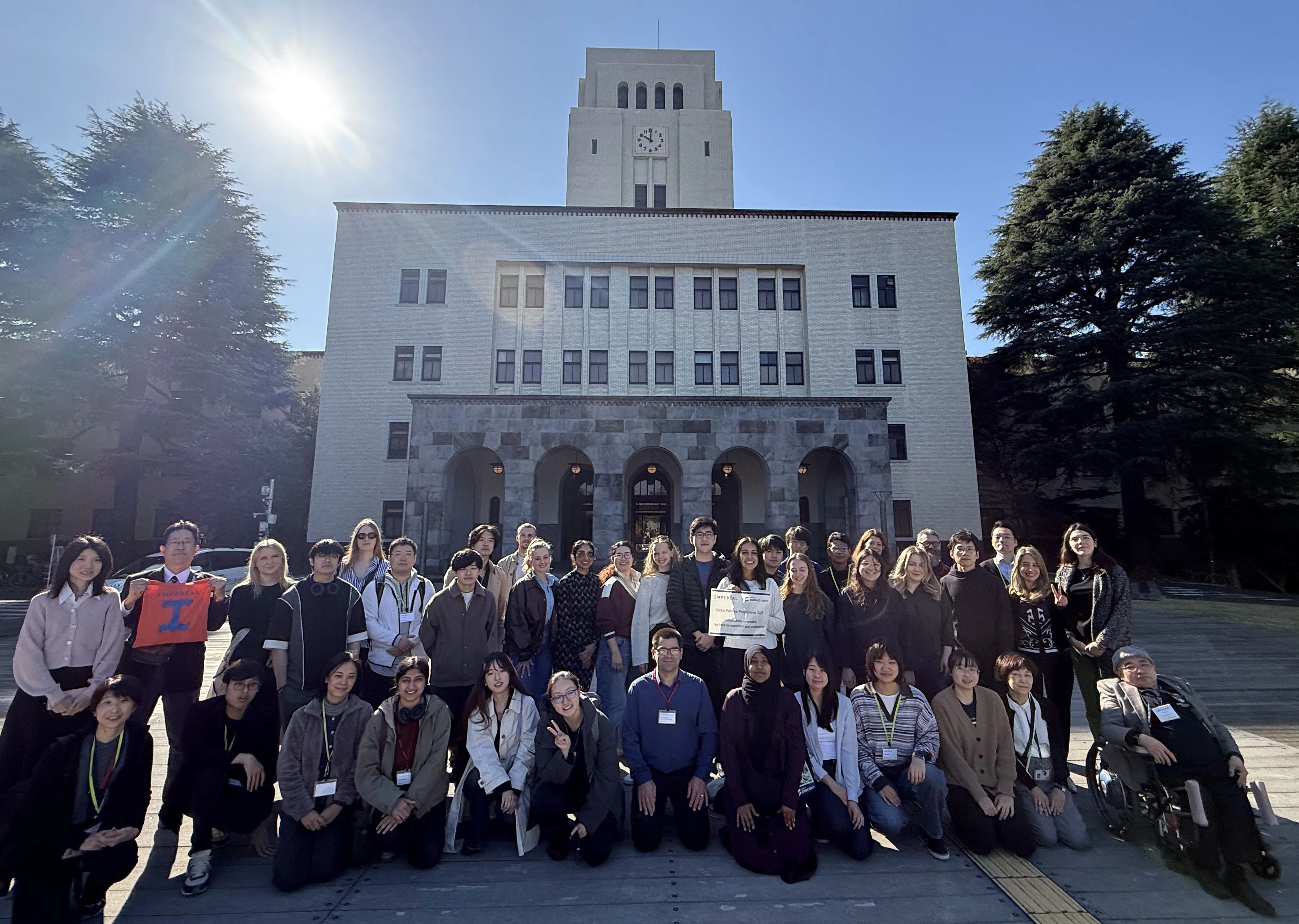
The Imperial-Science Tokyo Global Fellows Programme (GFP) 2025, the fifth doctoral student exchange program between Imperial College London (Imperial) and Institute of Science Tokyo (Science Tokyo) took place in Tokyo from November 10 to 14, 2025.
Launched in 2018 by Science Tokyo (then Tokyo Institute of Technology) and Imperial in the UK, this camp-style international exchange offers intensive training aimed at developing leadership and communication skills in doctoral students while building a collaborative network of young researchers.
Following the 2018 Tokyo and 2019 London events, the program was suspended for three years due to the impact of COVID-19. It was subsequently held in Tokyo in 2023 and in London in 2024, making this event the fifth iteration.
GFP adopts the United Nations’ 17 Sustainable Development Goals (SDGs) as its theme. This year’s focus was SDG 12, “Sustainable Consumption and Production,” under the title “Sustainability Innovation for Food Consumption and Production.” The program was held at the National Olympics Memorial Youth Center (Olympic Center) in Yoyogi, Tokyo, and at Science Tokyo’s Ookayama Campus.
A total of thirty doctoral students, fifteen each from Science Tokyo and Imperial, took part in the five-day program, deepening their understanding of sustainable food consumption and production through lectures, discussions with experts, and tours of related facilities. On the final day, each team presented a research project proposing innovative approaches in this area. The program provided participants from diverse backgrounds with an opportunity to experience both the rewards and challenges of working together as a team.
Science Tokyo prepared its part of the program based on Global Camp 2, a doctoral-level Humanities and Social Science Course, with the involvement of Professor Takehiro Inohara, Associate Professor Hironao Kaneko, and Specially Appointed Associate Professor (Lecturer) Sasipa Boonyubol of the School of Environment and Society, and staff members of the Global Education Division.
Day 1: Welcome and Introduction to Sustainability Innovation for Food Consumption and Production
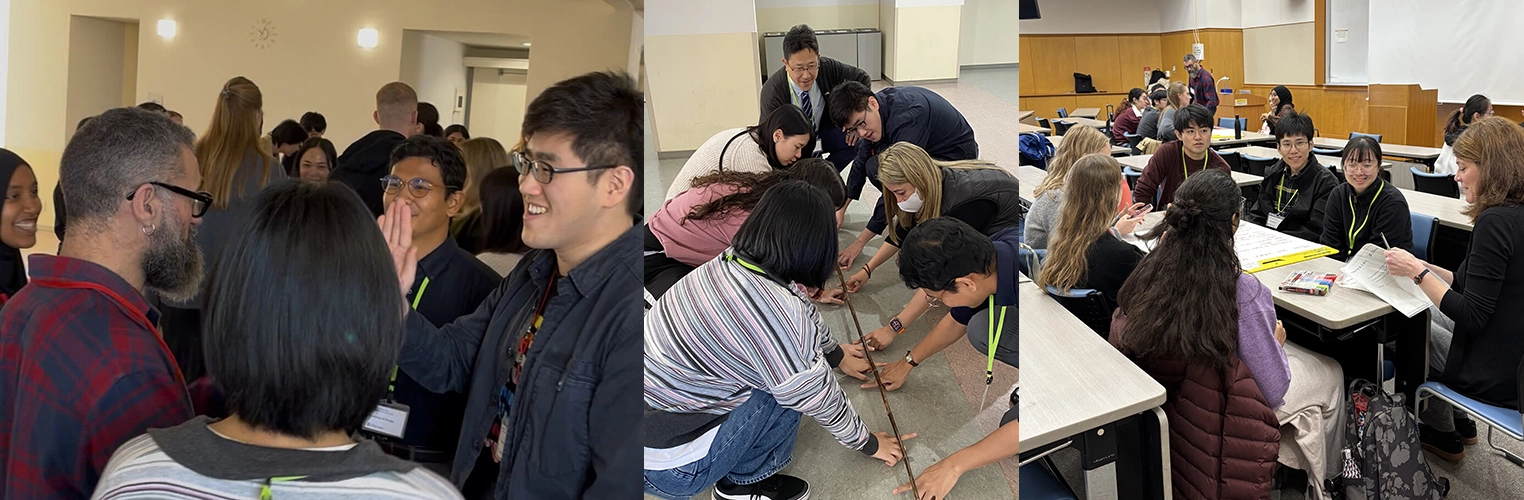
Thirty participating students from Science Tokyo and Imperial, along with faculty members from both institutions, gathered at the Olympic Center. Following the opening ceremony, participants were divided into five teams of six students each, with attention paid to diversity in fields of research and nationalities. Through team-based ice-breaking activities and introductions to each other's research, the initial awkwardness of meeting for the first time soon faded, and participants quickly became comfortable with one another.
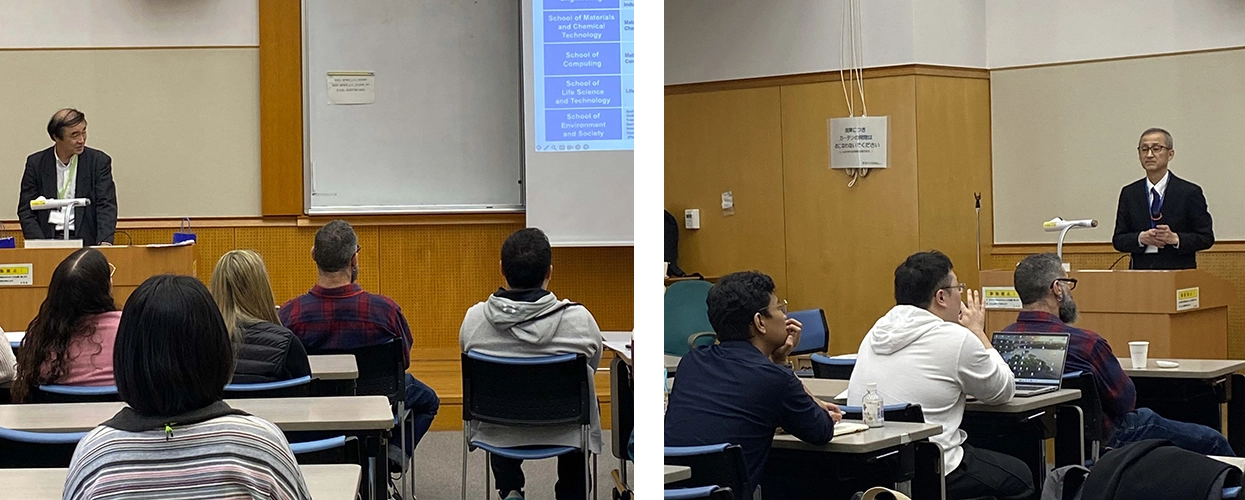
Following the icebreaker session, Vice President for International Strategy and Engagement Nobuhiro Hayashi outlined the establishment of Institute of Science Tokyo in October 2024 through the merger of Tokyo Institute of Technology and Tokyo Medical and Dental University. He then introduced the Visionary Initiatives (VI) research framework launched in 2025, and explained how it aims to promote co-creation with society through interdisciplinary and convergent approaches in relation to the theme of the event.
In the afternoon, the students explored the theme of this year’s program, “Sustainability Innovation for Food Consumption and Production,” through lectures by five experts in the field. Mr. Shigenobu Takayama, Director of the Research Center for Agricultural Information Technology at the National Agricultural Research Organization (NARO), presented examples of the center's agricultural information technology initiatives. These included the agricultural data linkage platform WAGRI, which provides useful data such as weather, farmland, and yield forecasts, as well as Generative AI for Agriculture. He also explained the current implementation status and outcomes of these initiatives.
Next, students attended lectures by four researchers from Science Tokyo who are at the forefront of their respective fields. Hearing from researchers across different disciplines provided a valuable opportunity to absorb multifaceted knowledge about the research being conducted in each field and the challenges involved, all aimed at achieving sustainable food consumption and production.
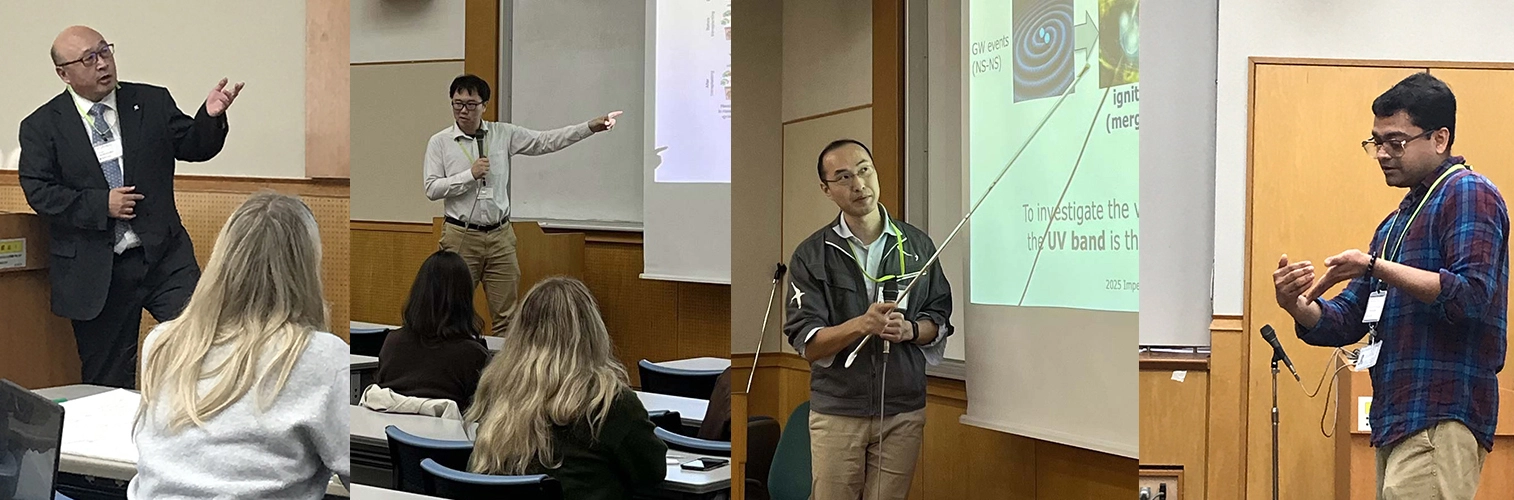
Dr. Gupta participated in the GFP held in Tokyo in 2023. From April to July 2024, he was a visiting researcher at a lab of the Dyson School of Engineering at Imperial. After completing his doctoral studies at the former Tokyo Institute of Technology in September 2024, he is currently a Specially Appointed Associate Professor (Lecturer) at the School of Environment and Society. He shared his experience and knowledge on producing leather using yeast lees and grape waste generated during the winemaking process — a topic he researched during his short-term stay at Imperial.
Students researched issues related to sustainable food consumption and production, created two types of question-and-answer cards based on their findings, and took part in a quiz game designed by Associate Professor Kaneko.
Day 2: Team Building
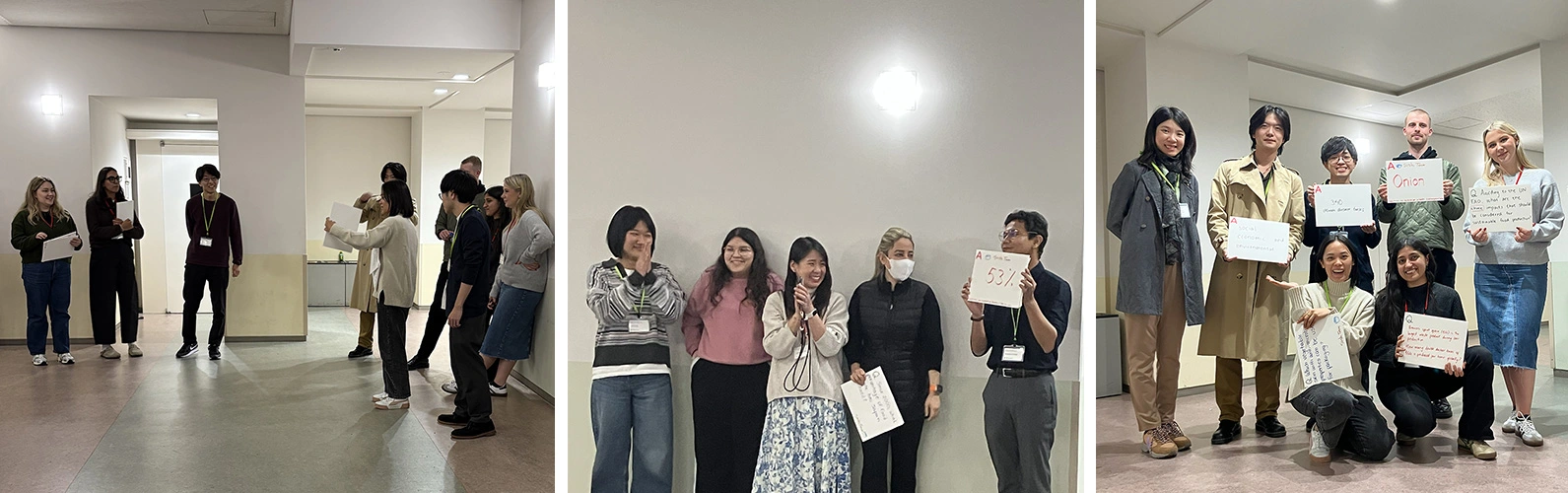
During the morning session, students played a game that tested their ability to communicate and closely cooperate with their team members as they attempted to solve five tasks. One of the tasks was an activity designed by Professor Takehiro Inohara, focused on the proper understanding of research ethics. The teams worked together on the often puzzling challenges, and by the time they completed the exercises, their sense of unity as a team had increased markedly. Additionally, three doctoral students from Science Tokyo who participated in GFP in London last year joined as facilitators for the game.

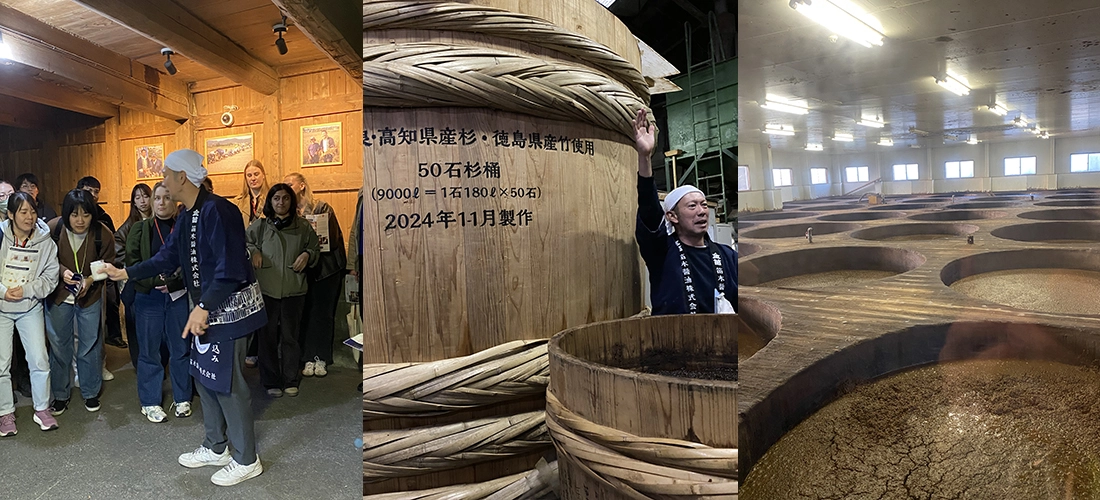
In the afternoon, students visited Kinbue Shoyu Park, operated by Fueki Shoyu Brewing Co., Ltd. in Saitama Prefecture. The company has produced soy sauce using traditional brewing methods passed down through 12 generations since 1789, during the mid-Edo period. Soy sauce is a fermented Japanese seasoning beloved worldwide as Shoyu. Seeing the traditional soy sauce brewing process using cedar barrels firsthand, students were impressed by the profound complexity of its production, including how the flavor varies depending on the wooden barrels and the environment inside the brewery.
Day 3: Working on Team Projects
On the morning of the third day, students enjoyed a stroll around Meiji Shrine near the Olympic Center before beginning discussions on the projects each team was undertaking.
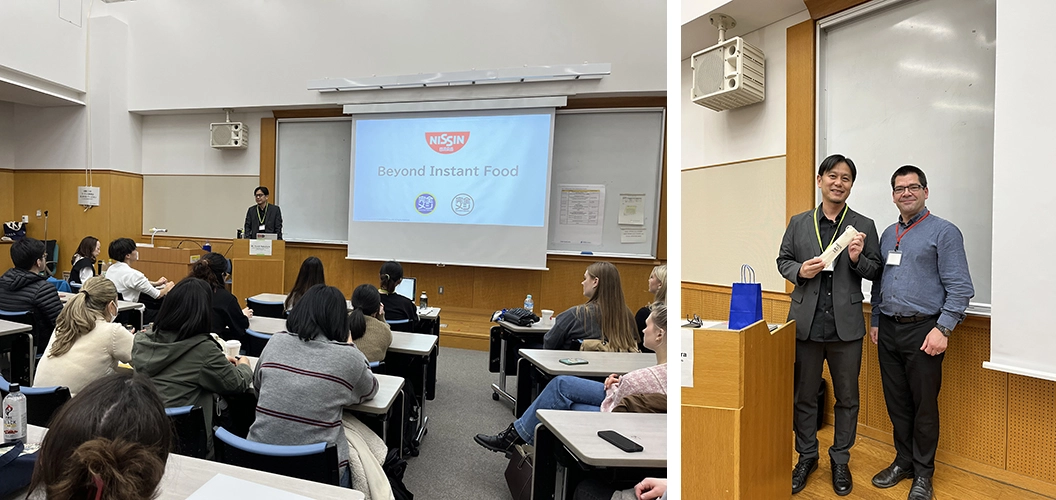
In the afternoon, students attended a lecture by Yoichi Nakamura, Deputy General Manager of the Beyond Food Division at Nissin Foods Holdings Co., Ltd, a Japanese processed food manufacturer known globally for products like Chicken Ramen and Cup Noodles. He introduced the features of Kanzen Meshi, a product developed under the company’s Optimized Nutrition Food Project, and explained Nissin’s efforts to address various social issues related to nutrition and health in modern society.
Students asked numerous questions that extended beyond the scheduled time, covering topics such as manufacturing costs and quality control, efforts to reduce food loss, the status of localization, the company's stance on ultra-processed foods, and differences in marketing approaches across countries.
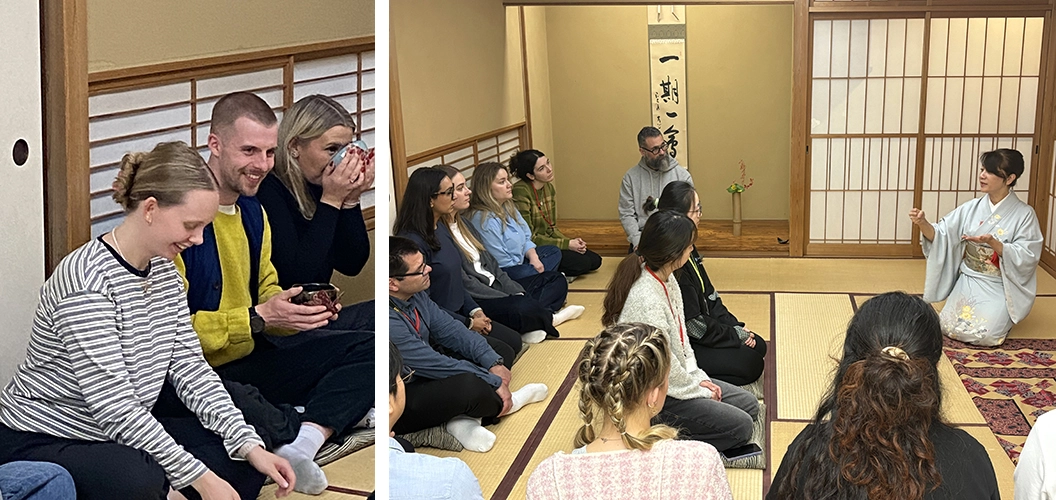
Following Mr. Nakamura's lecture, students participated in a tea ceremony experience at the Oka-tei within the Olympic Center. In the tatami-mat tea room, they learned about the origins, tools, and etiquette of the tea ceremony from the instructor. They also admired seasonal autumn-themed flower arrangements and a hanging scroll bearing the phrase Ichigo Ichie (meaning “a once-in-a-lifetime encounter”), which conveyed the host’s wish to cherish the moment, before savoring thin tea with traditional sweets.
Day 4: Project Consultation and Poster Creation
On Day 4, students began working in earnest on their group projects. Building on ideas developed over the previous days, each team engaged in brainstorming sessions and in-depth discussions to refine their concepts and shape them into a single team project. The diversity of the teams gave rise to a wide range of perspectives. While discussions occasionally became lively and narrowing the focus to one topic proved challenging, all participants listened attentively to one another and demonstrated a strong commitment to contributing to their teams.
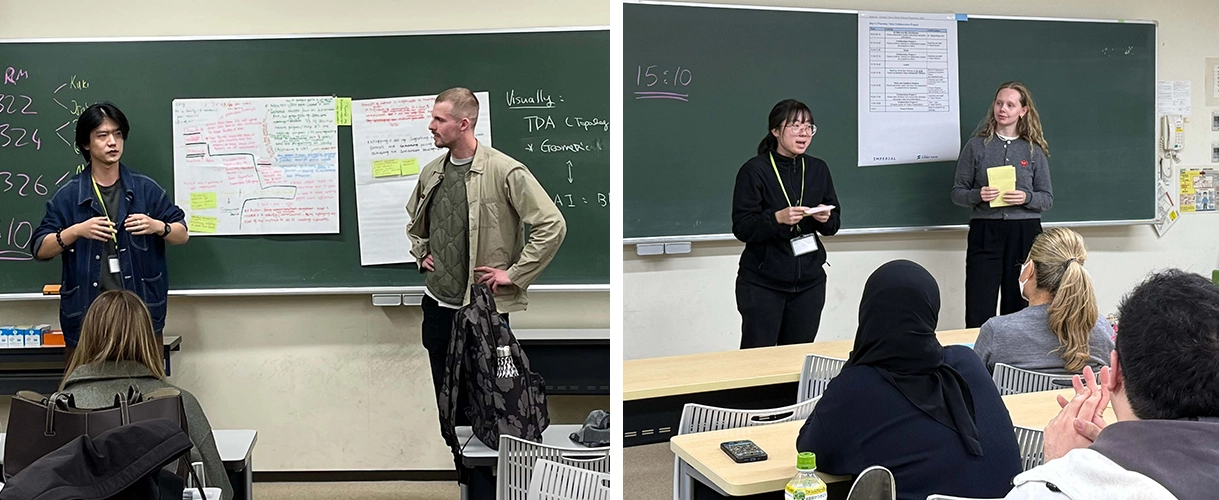
In the afternoon, the venue shifted to Science Tokyo’s Ookayama Campus, where an elevator pitch session was held. Two members from each team presented an outline of their project to another team, receiving questions and constructive feedback. Teams then incorporated this input into their projects, refined their ideas, engaged in further discussion, and prepared posters for their final presentations.
Day 5: Project Presentation Day
On the final day — the culmination of the program — students presented their projects. Team members divided responsibilities and created presentation posters using only colored pens and paper before delivering their final five-minute presentations.
Imperial Lecturer Paul Seldon, Science Tokyo Executive Vice Presidents for Education Noriyuki Wakabayashi and Hidetoshi Sekiguchi served as judges.
The originality of each team's project reflected the depth of discussions and serious engagement demonstrated by the participants within the limited time available.

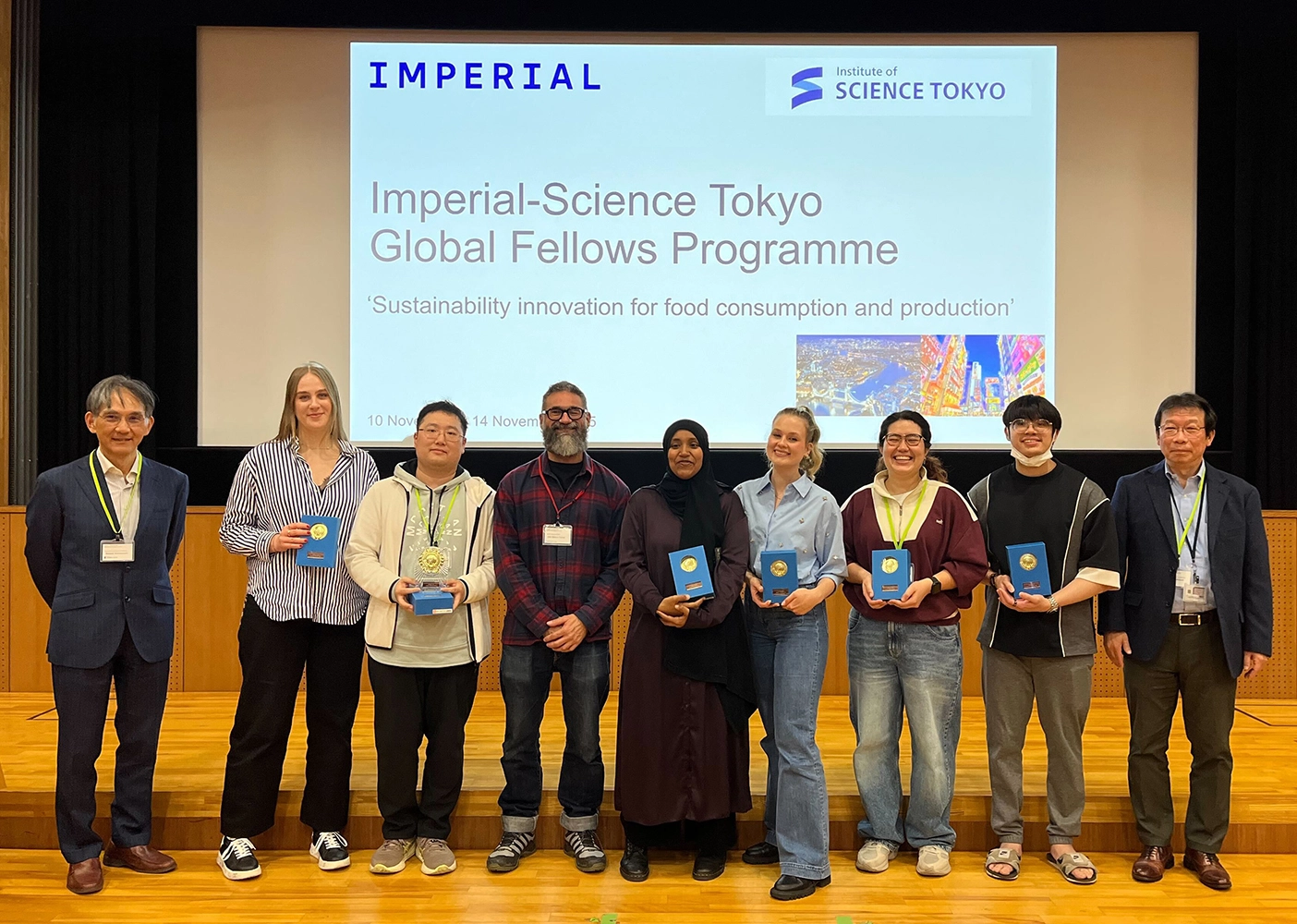
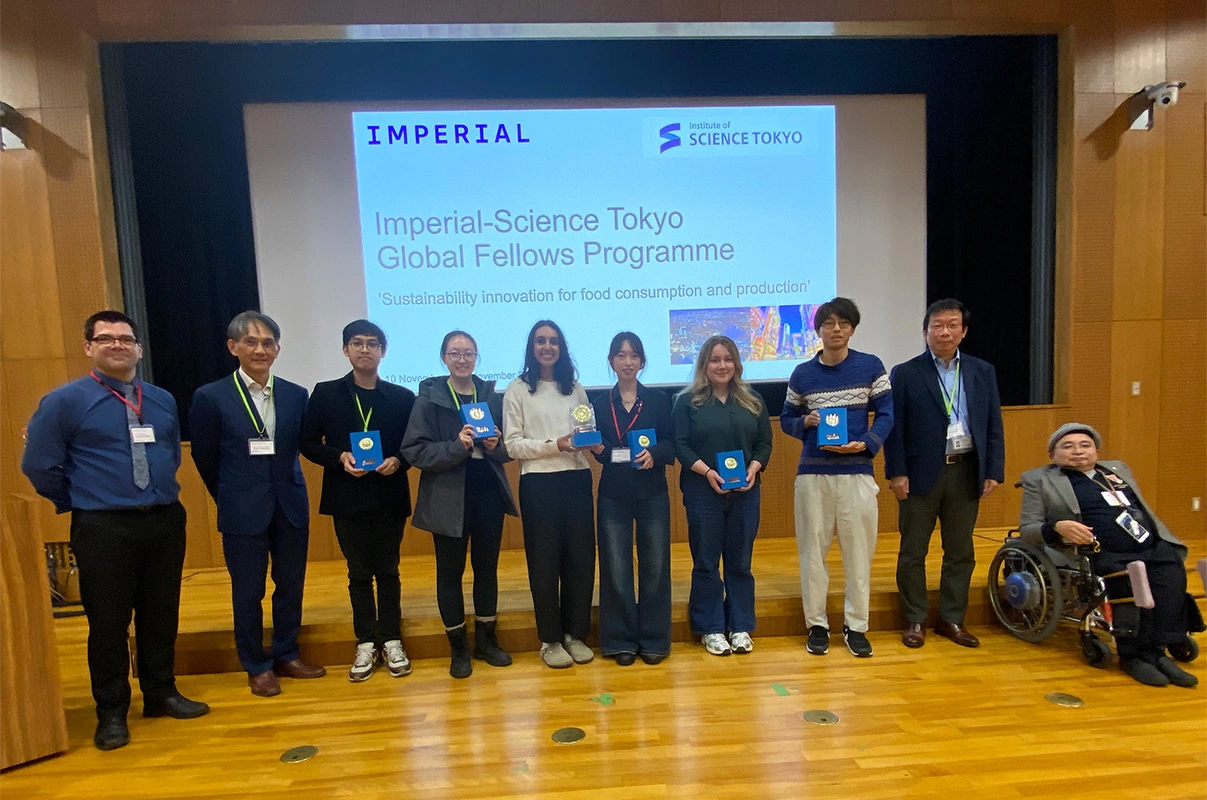
After all teams had completed their presentations, the judges announced the winners of the Collaboration Award and the Innovation/Creativity Award. Team 3, which proposed microbial fuel cells that generate clean energy from food waste, received the Collaboration Award, while Team 5, which proposed a compact home greenhouse equipped with an app to monitor plant health, received the Innovation/Creativity Award. The winning teams were presented with trophies, and all participants received certificates of program completion.
After the awards ceremony, a farewell party was held in a restaurant at Science Tokyo Front. Executive Vice President Sekiguchi and Vice President Hayashi attended, along with Mr. Takayama and Dr. Gupta, who had delivered lectures on the first day. They joined the students in conversation to mark the conclusion of the program. During the event, participants looked back on the five days while watching a video compiled from photos taken during the program. Sharing memories with the friends they had spent almost a week with, they expressed surprise at how quickly the time had passed and shared their hopes to meet again in the future.
During their free time each day, students from both universities continued to interact outside the formal program, going out together for dinner and karaoke. GFP 2025 concluded with the hope that the networks formed among the students would lead to further research collaboration in the future.
Participants from both institutions are scheduled to spend one to three months at research laboratories at the partner institution by March 2027, where they will conduct research and fieldwork under the guidance of host faculty members.
Study Abroad Support Group, Global Education Division
- Tel
- +81-3-5734-7645