Science Tokyo hosts Robocon International Design Contest 2026
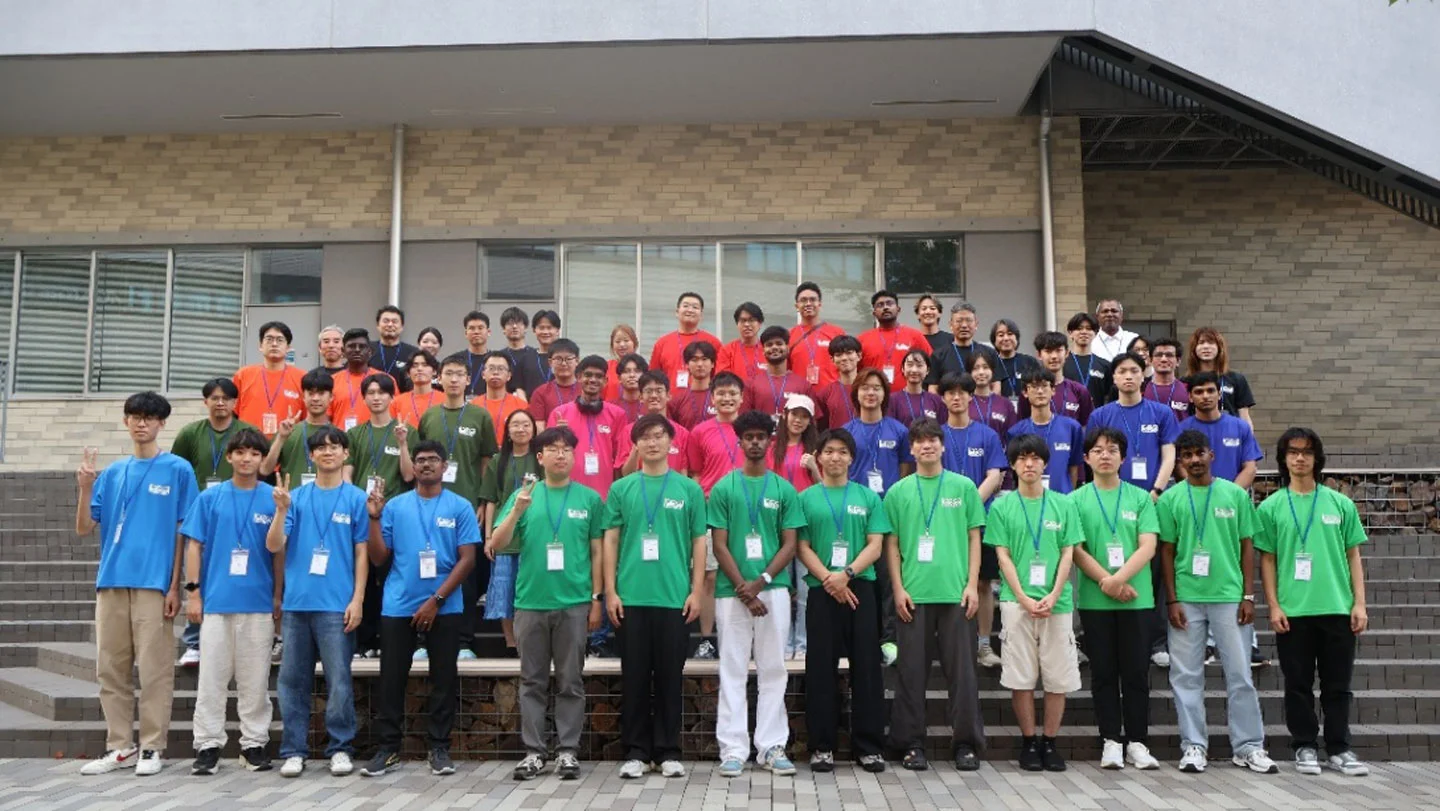
Fifty-four university students from seven countries and regions gathered at Science Tokyo from August 10 to 22 for Robocon International Design Contest (IDC) 2026.
IDC is an international educational program during which students spend two weeks in mixed-nationality teams designing, building, and competing with robots. The contest began in 1990 as a joint initiative between the former Tokyo Institute of Technology, Science Tokyo’s predecessor university, and Massachusetts Institute of Technology (MIT).
Opening ceremony and team formation
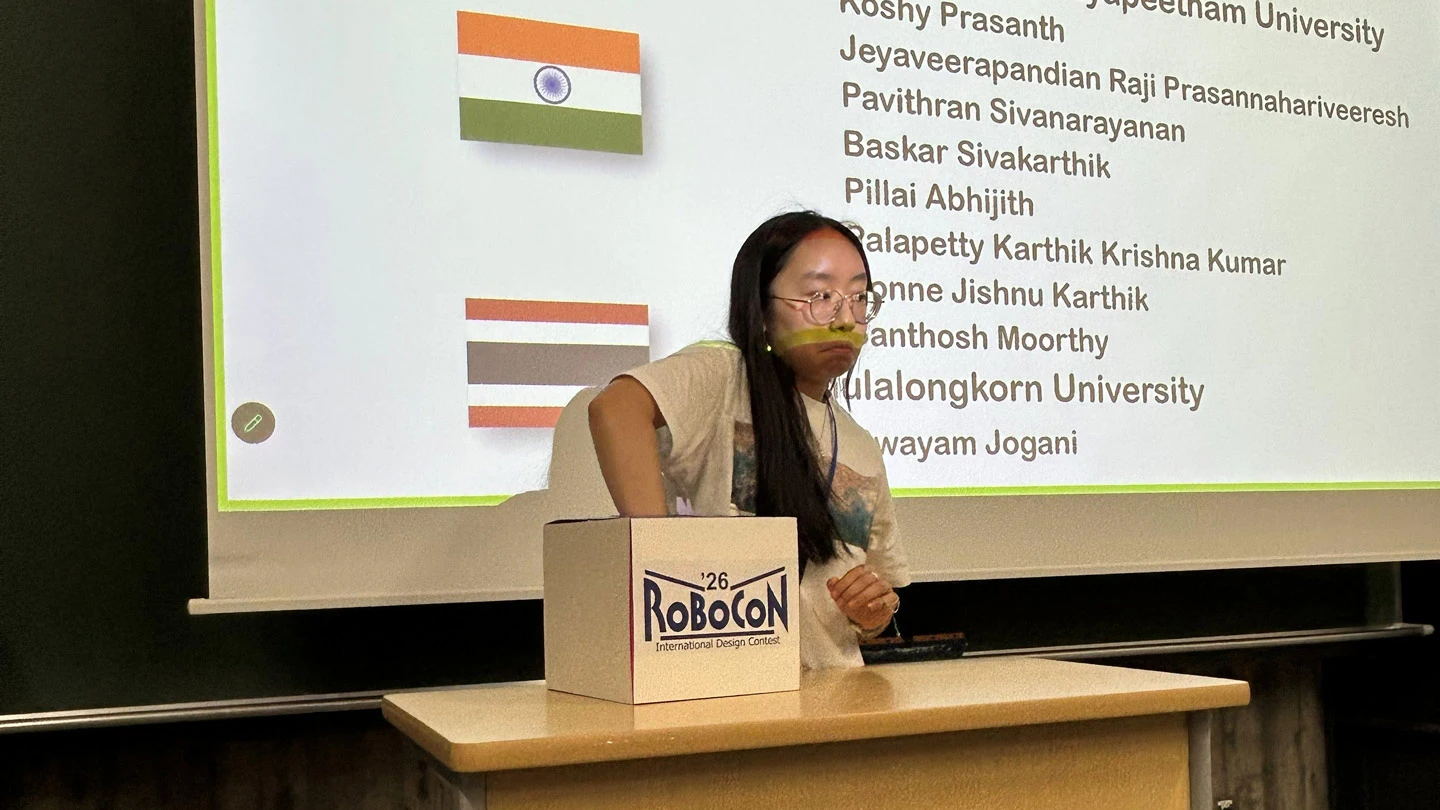
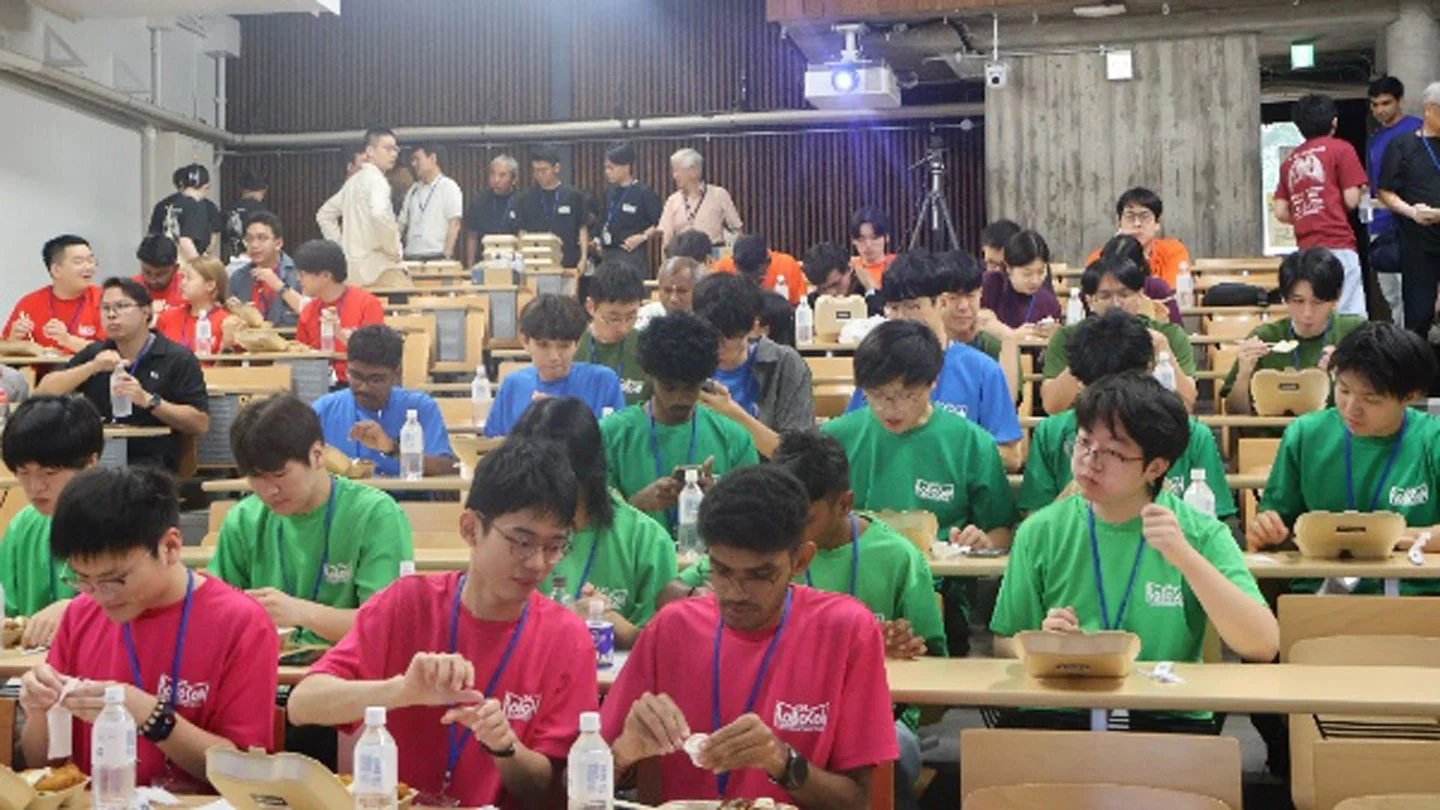
After a brief opening ceremony and welcome address, the participating students formed teams by drawing lots and confirmed the rules of the contest. Wearing their team-colored T-shirts, they then dived straight into discussions on contest strategies and robot designs, transcending differences in their fields of expertise and cultures.
AI to Science — Contest rules
This year’s contest was called AI to Science. This name embodies the hope that participants contribute to the advancement of science with love and passion, make full use of AI to advance science, and develop a fondness for Science Tokyo. The Japanese word ai translates to “love” in English.
The contest’s overarching theme was the development of science through a deeper understanding and passion for both humans and artificial artifacts, as well as the correct use of AI in scientific practice.
Robots maneuvered orange and silver balls during the contest. The orange balls symbolized a love for humans, while the silver balls symbolized a love for robots, or artificial artifacts. One part of the contest was conducted in a cyber world, while another was held in a physical world. The winner was determined by the combined scores from both.
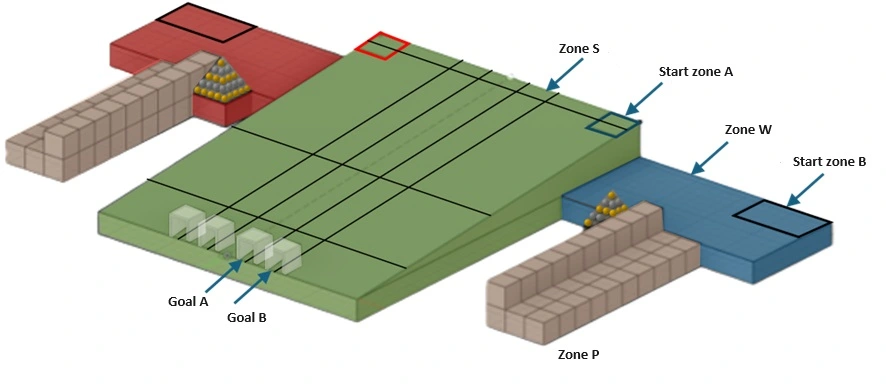
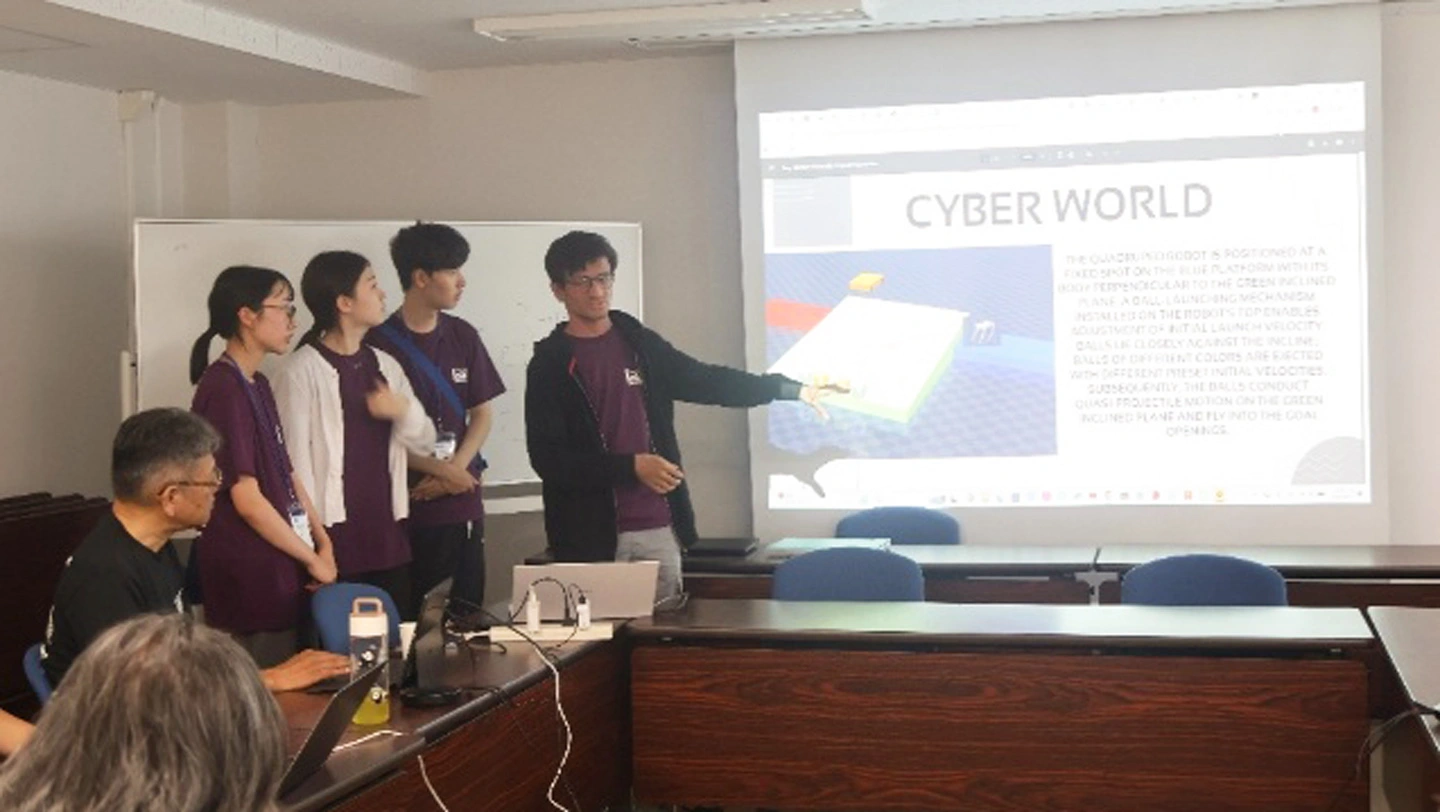
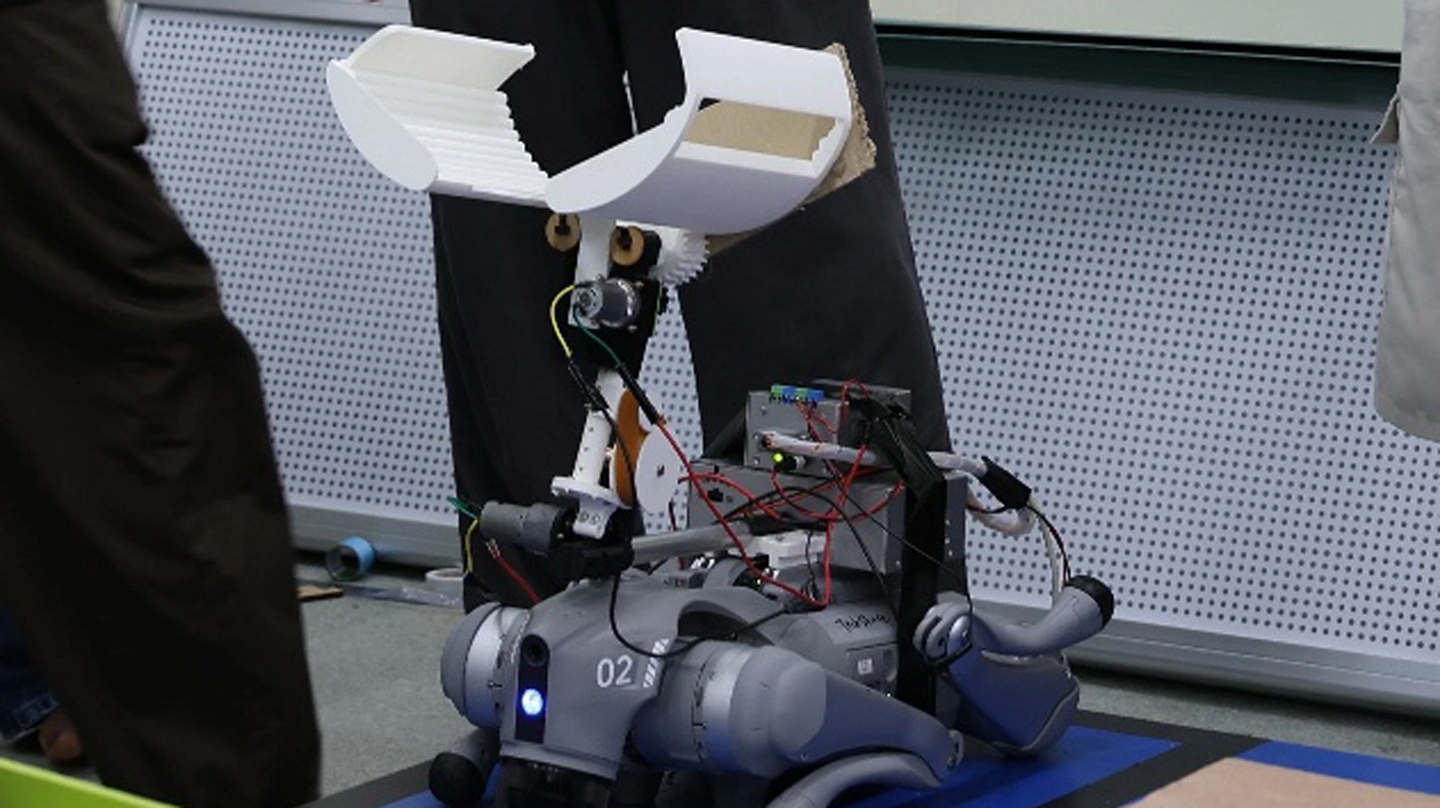
A model of the playing field, shown above, and a model of the quadruped robot Go 2 were provided to the teams for the cyber world contest. The Go 2 model could be extended to allow control of the robot’s four legs and other mechanisms such as arms, which could be added to the robot by the teams. At the start of the contest, teams loaded the robot with one orange and one silver ball, which they then had to place in corresponding goals to score points within three minutes. Points scored in the cyber world gave teams an advantage in the physical world.
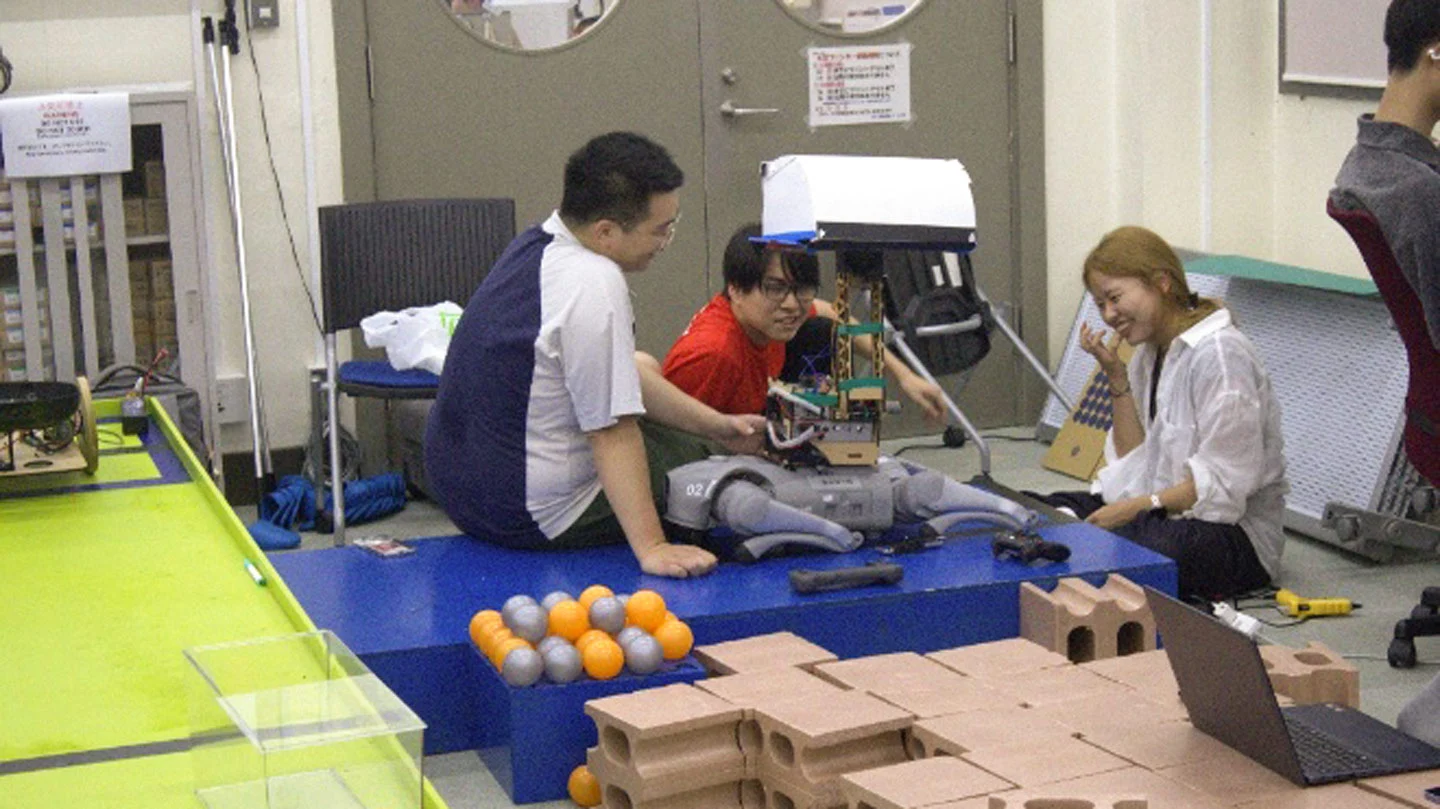
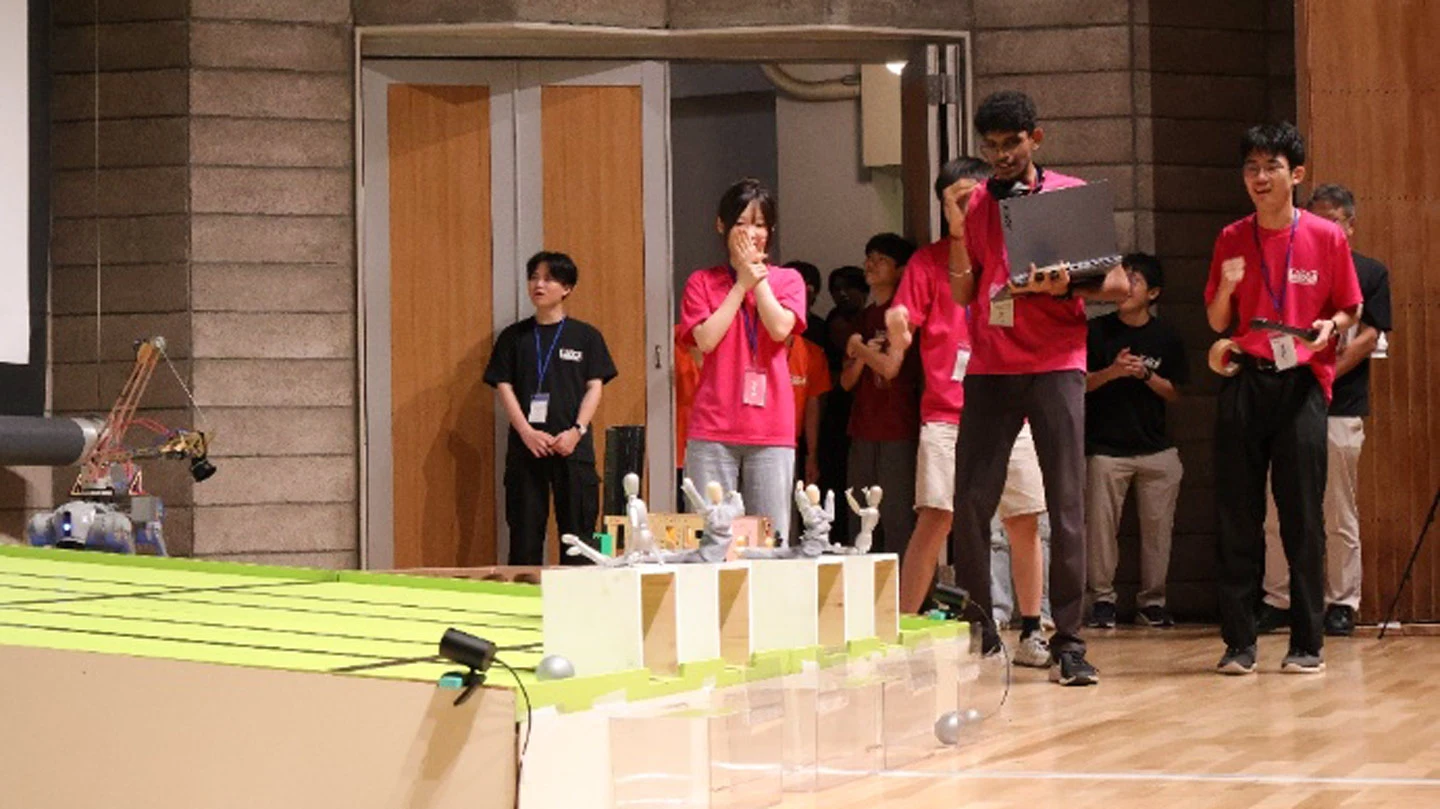
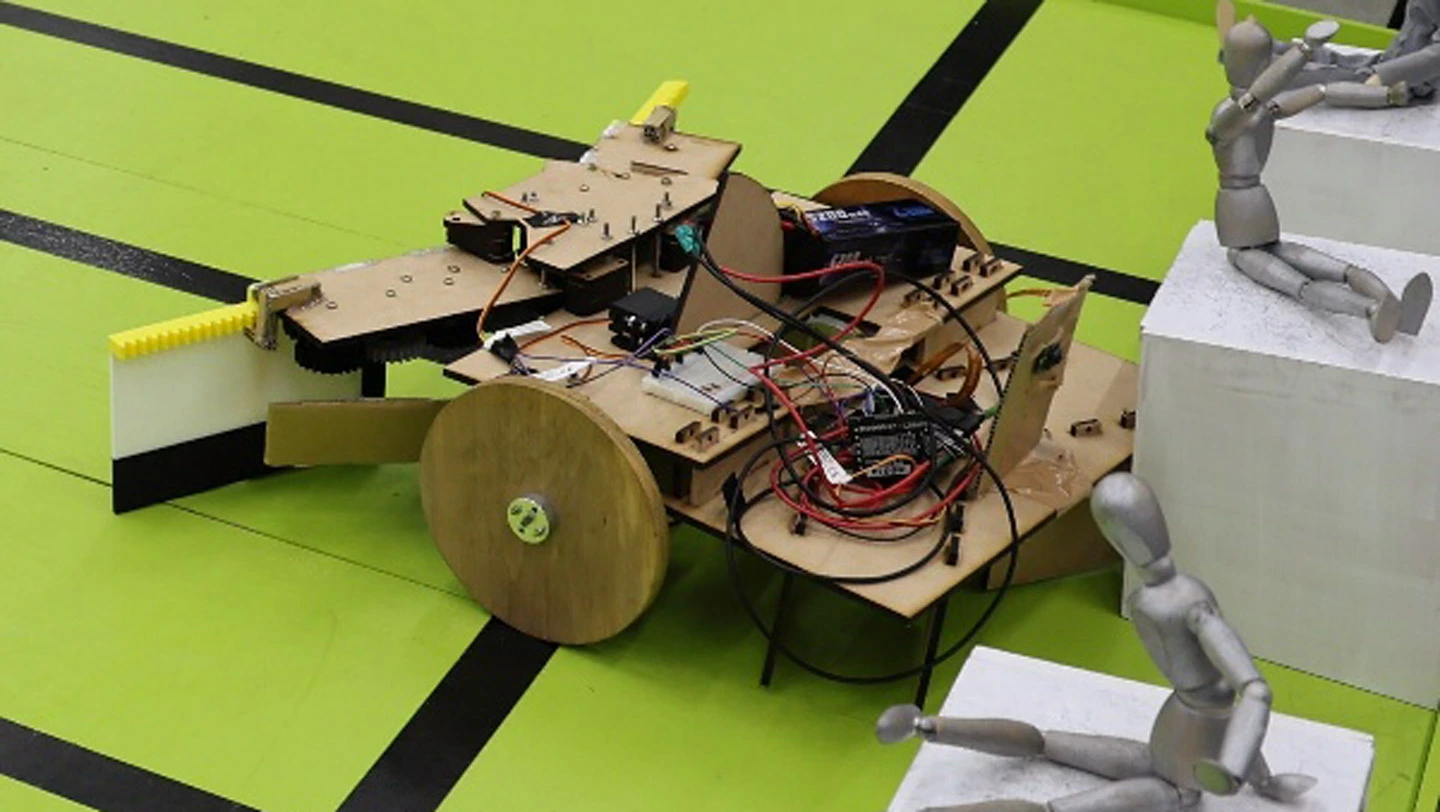
On the physical playing field, teams had one teleoperated robot and one autonomous robot, which worked together to retrieve balls and score points by shooting them into goals. In addition to robot design and fabrication skills, autonomous robots required AI-based image recognition technology, while teleoperated robots required precise maneuvering skills. The quadruped robot Go 2 could be used to move the teleoperated robot.
Autonomous robots started from Start zone A on the playing field, while teleoperated robots started from Start zone B. Autonomous robots could only move on their half of the slope (Zone S), while teleoperated robots could only move on the platform and blocks on their side (e.g. Zone W and Zone P). Autonomous robots could carry one orange ball and one silver ball each, and potentially any additional balls awarded based on scores in the cyber world contest.
Human-shaped and robot-shaped figures were randomly placed on Goal A and Goal B. Teams had to place their orange balls in the human figure’s goal and their silver balls in the robot figure’s goal. Additionally, teams could freely adjust the poses of their own human figures and the opponent’s robot figures as long as the pelvis of the figure was in contact with the top surface of the goal. Since the goal placement and figure poses varied from match to match, distinguishing them using AI-based image recognition was a key factor.
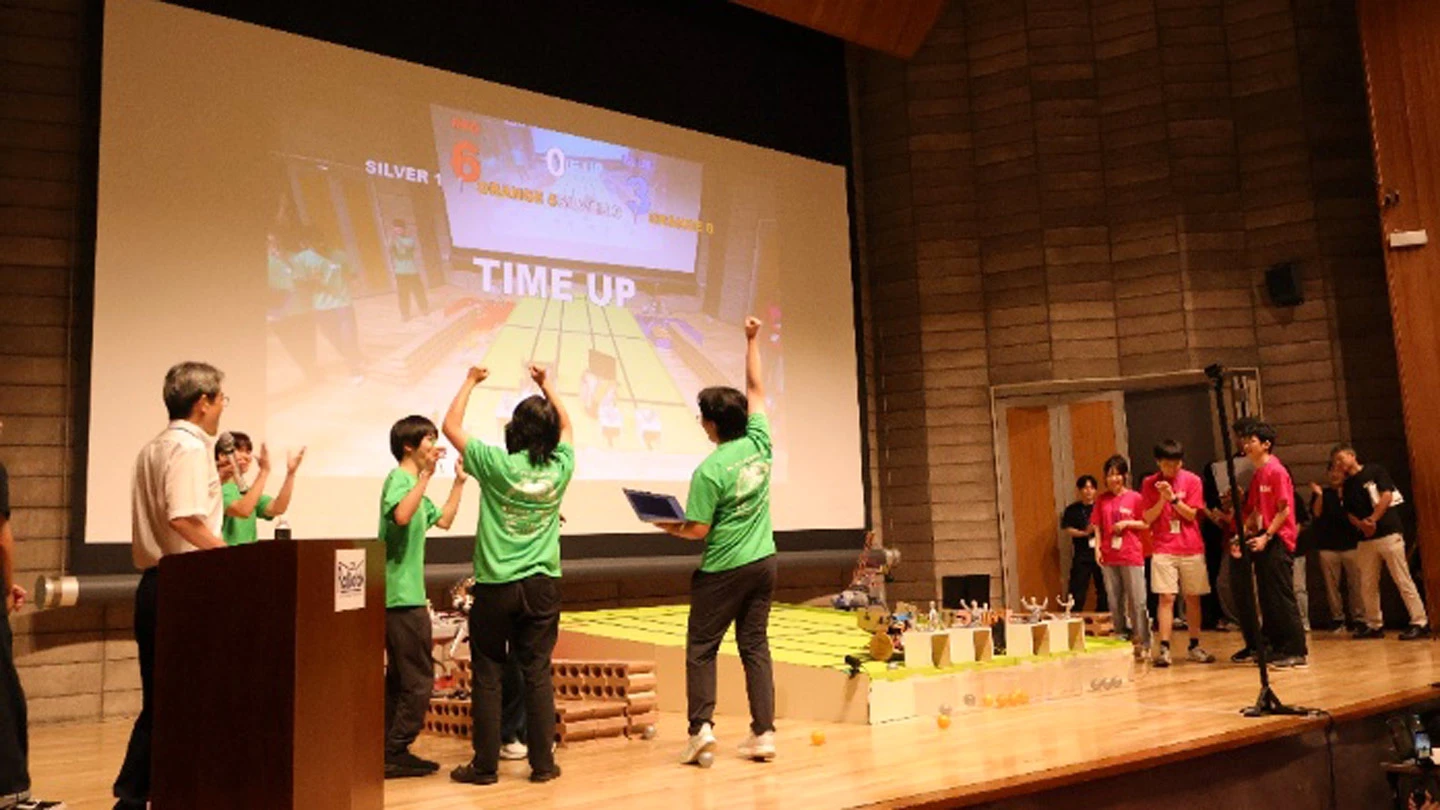
One point was awarded for each ball successfully placed in the correct goal, and the total score was doubled if only balls of the correct color reached both goals. Each three-minute match was played between two teams.
Robot design and fabrication
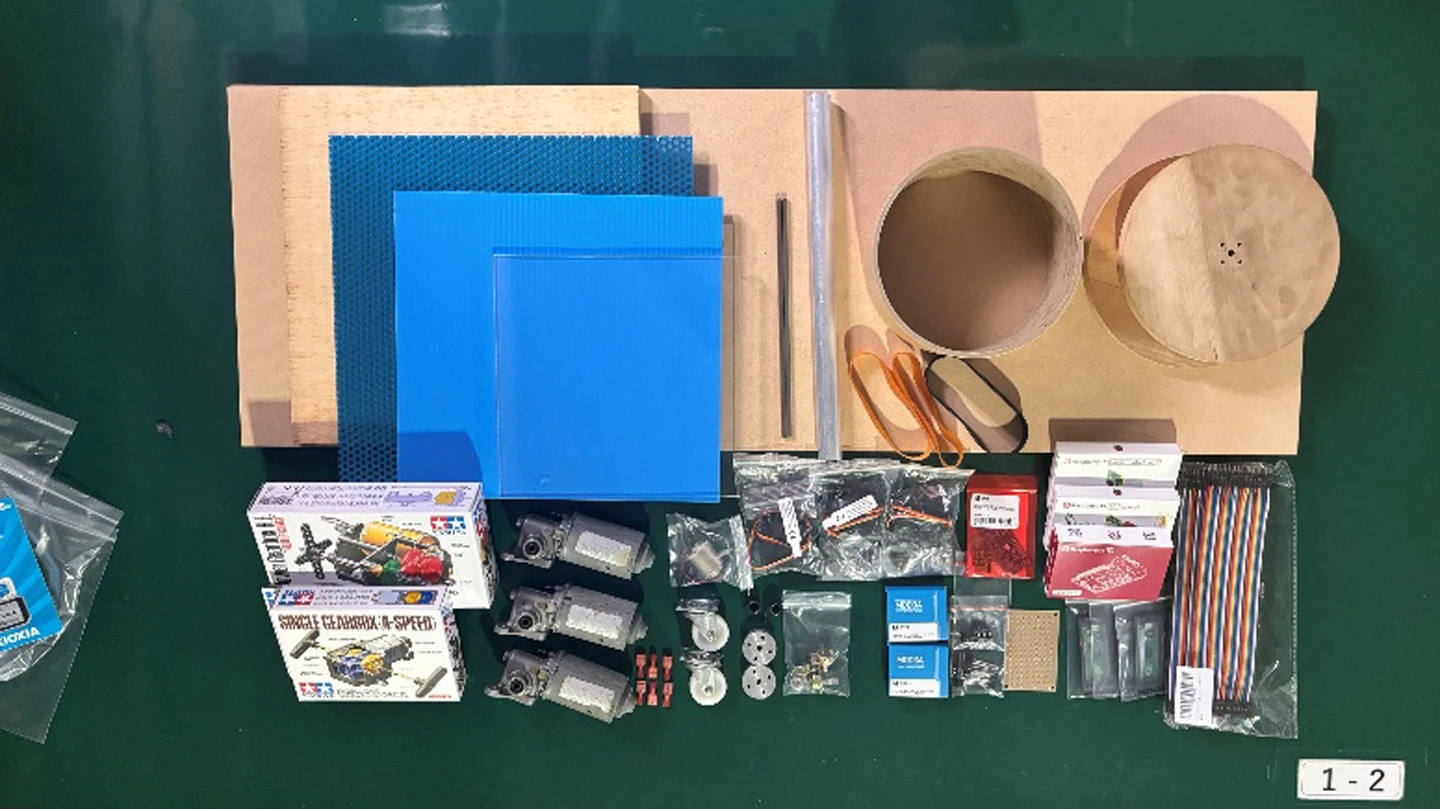
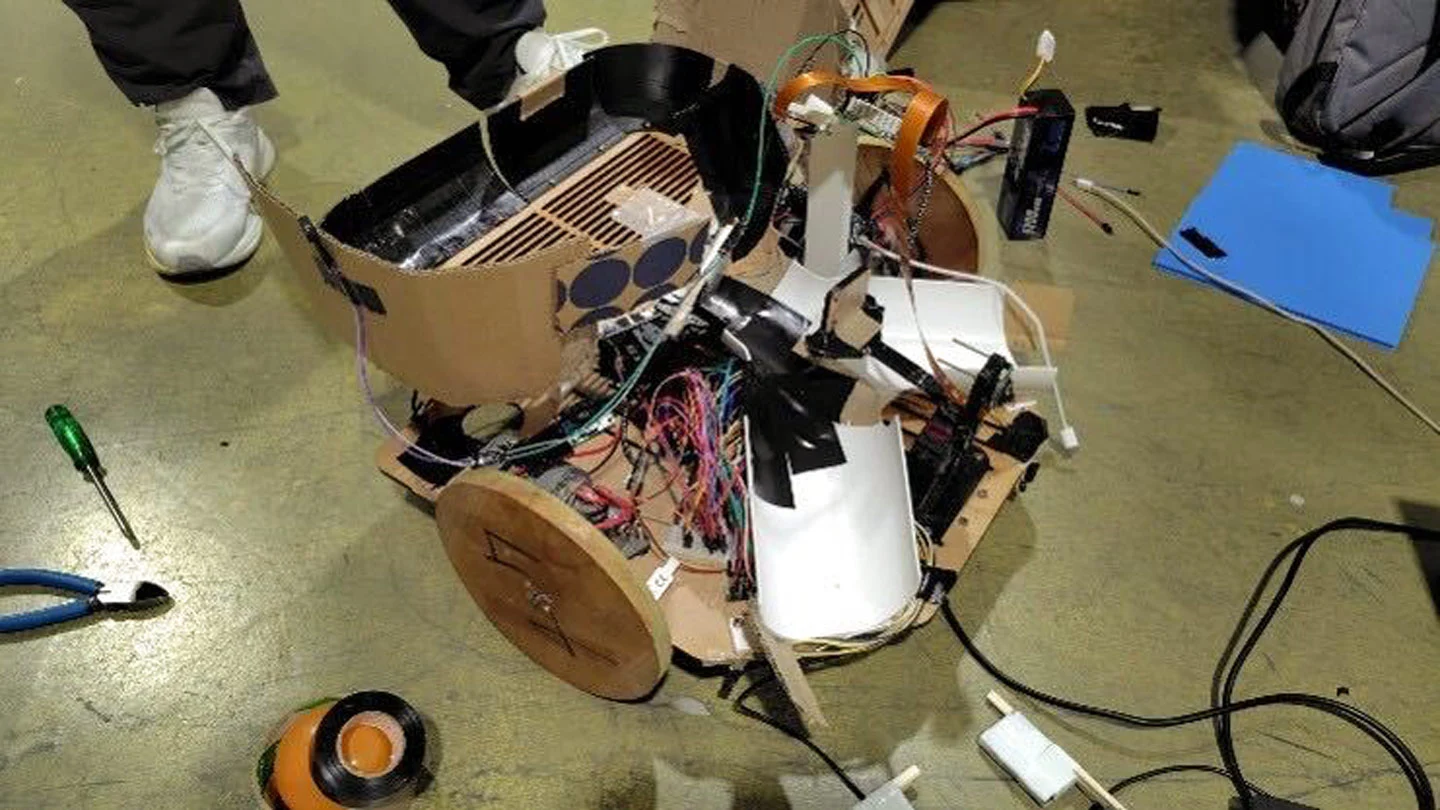
When fabricating their robots, teams were allowed to use a kit containing approximately 40 types of components, as well as individually purchased parts not exceeding JPY 2,000. The kit components included a control box that allows a game controller to operate two gear motors, a DC motor, an electromagnet, and a pneumatic actuator, one Raspberry Pi 5 CPU board and three Raspberry Pi Pico sub-CPU boards, three Bosch motors, three servo motors, one gearbox set with a DC motor, a 12V 4-channel motor driver, and a 5V 2-channel motor driver.
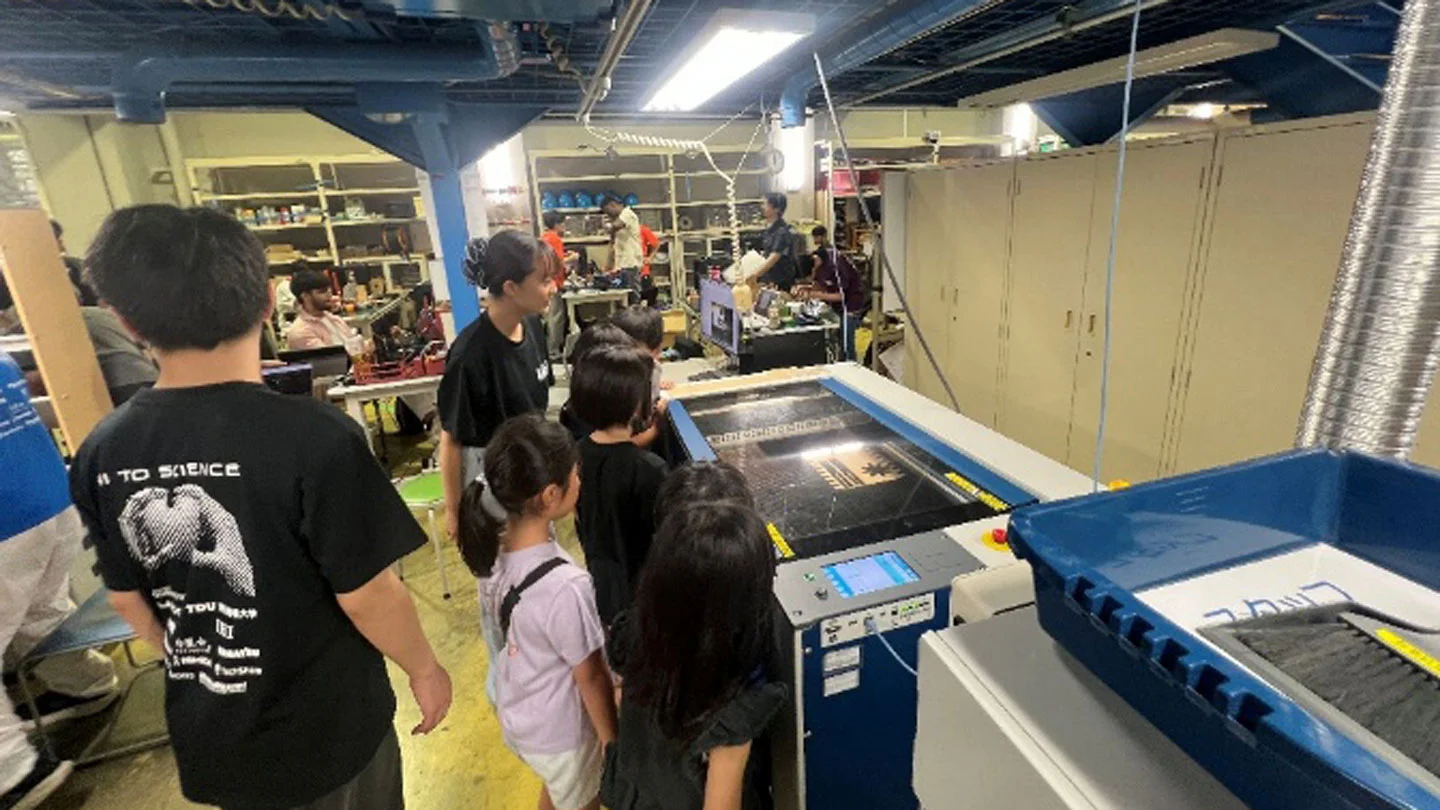
In addition, each team received three medium-density fiberboards and one 3D printer for fabrication. Furthermore, a laser cutter and seven large 3D printers were made available for shared use. The laser cutter was used to cut the fiberboards, while the 3D printers were used to produce fasteners and parts with complex shapes.
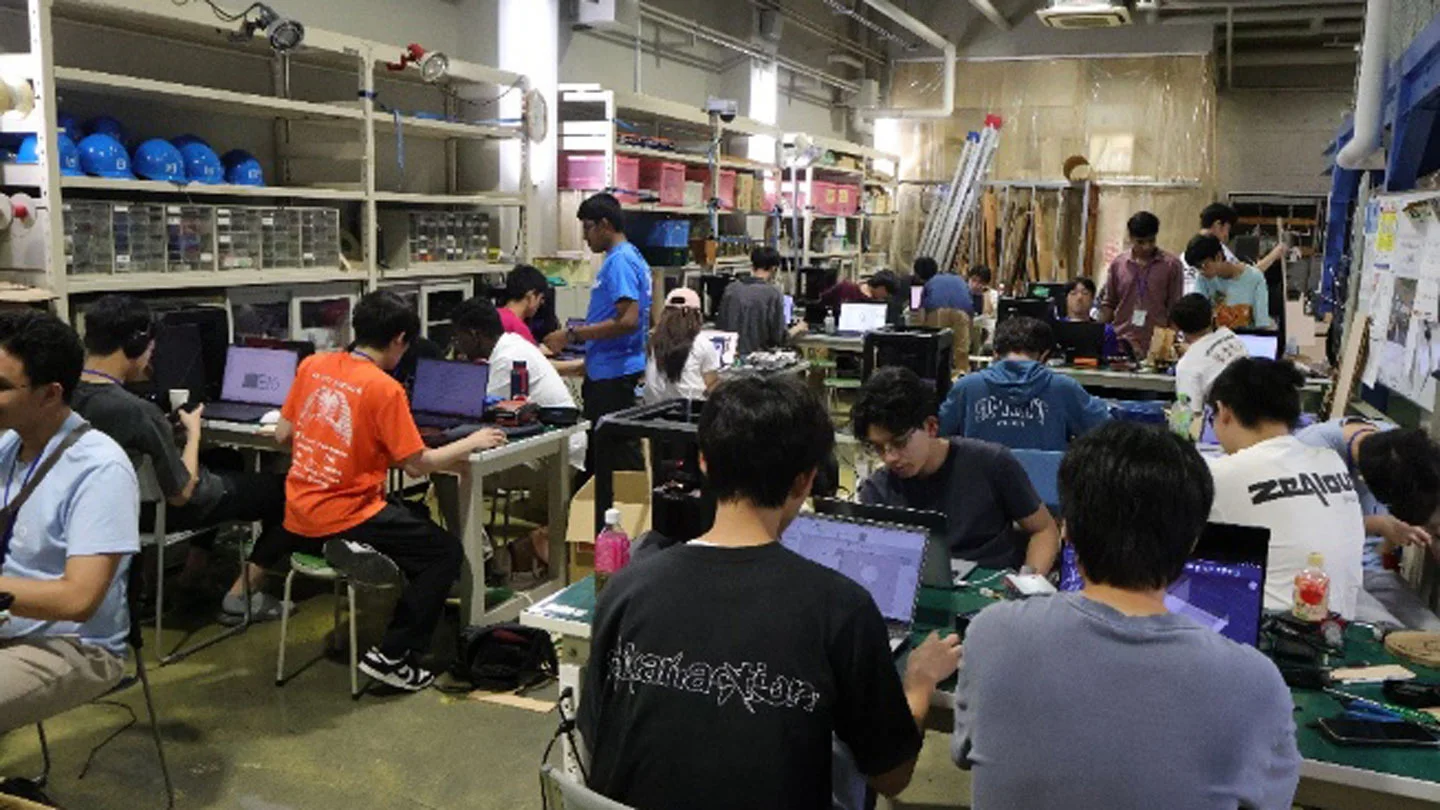
During the contest, the teams gave presentations on their ideas and made repeated improvements based on feedback from instructors and technical advisors. Prototyping and testing took place at the Collaboration Center for Design and Manufacturing (CODAMA) on Ookayama Campus, where many teams successfully completed their unique robots while engaging in lively discussions on their design drawings and machine creations.
Opportunities for international exchange
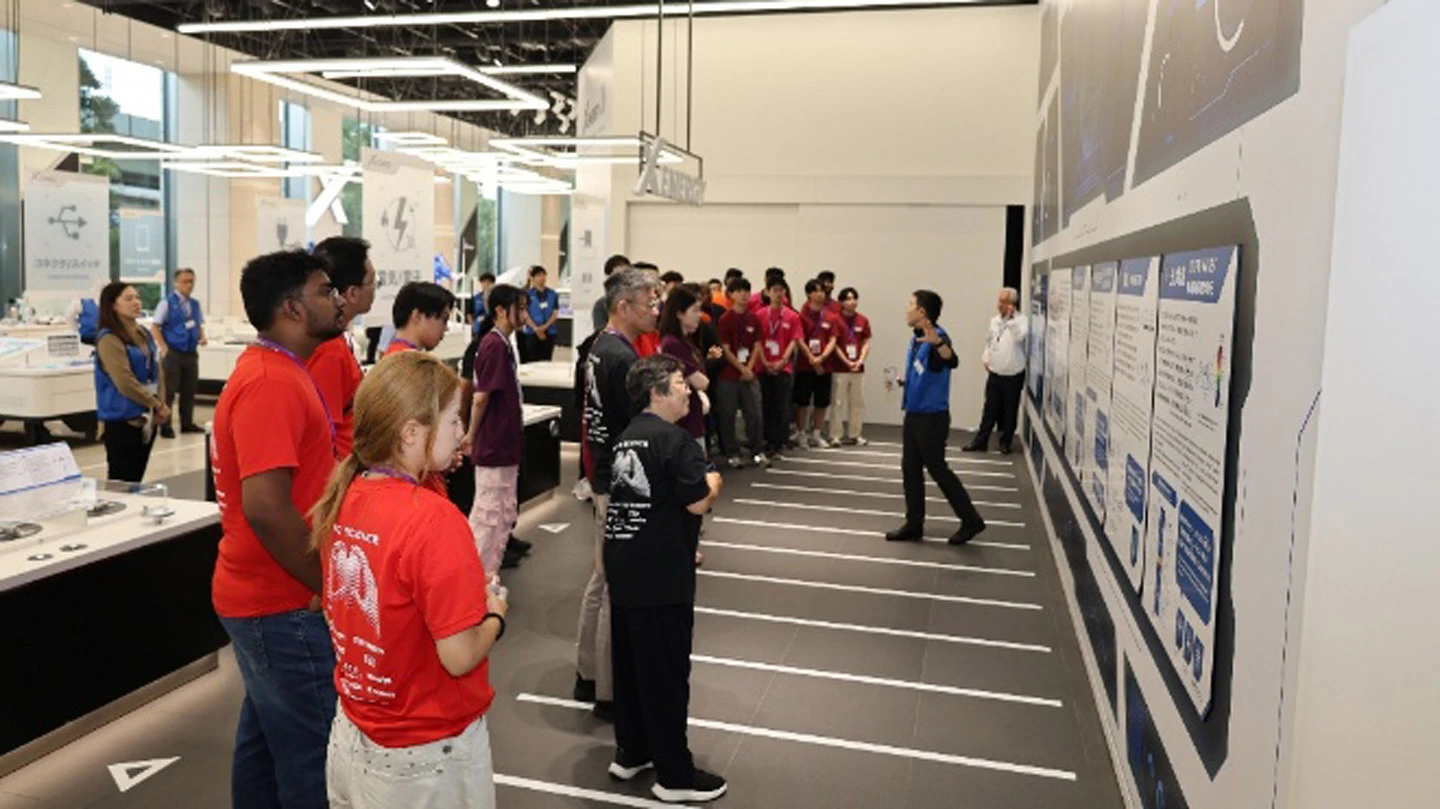
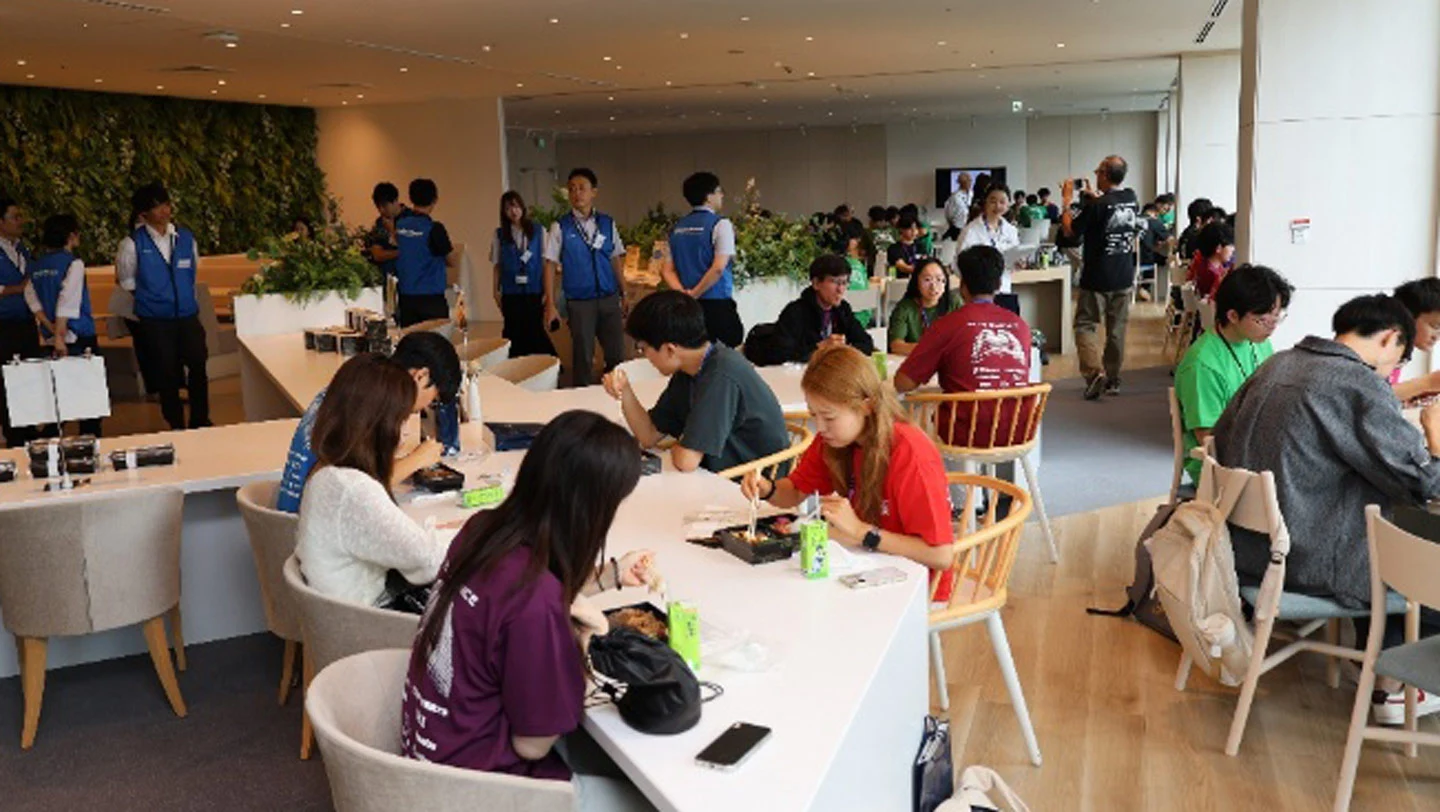
In addition to robot development, international exchange is a key objective of IDC. During their time together, the participants visited the X TECH MUSEUM operated by MinebeaMitsumi Inc., a manufacturer of bearings, motors, and measuring instruments. There, participants had the opportunity to experience the cutting-edge technologies that underpin manufacturing and deepen their connections with other students from around the world. They were also treated to lunch at the company cafeteria, which offers a view of the Hama-rikyu Gardens in central Tokyo.
Connecting with local communities
During the contest period, Science Tokyo also organized a guided tour for elementary and middle school students, allowing 58 budding creators to learn more about the robots under construction and the IDC 2026 playing field. Through interactions with international university students and hands-on experiences with robots, the tour participants deepened their understanding of robotics and international collaboration.
Special treat from Science Tokyo alumna and former IDC participant
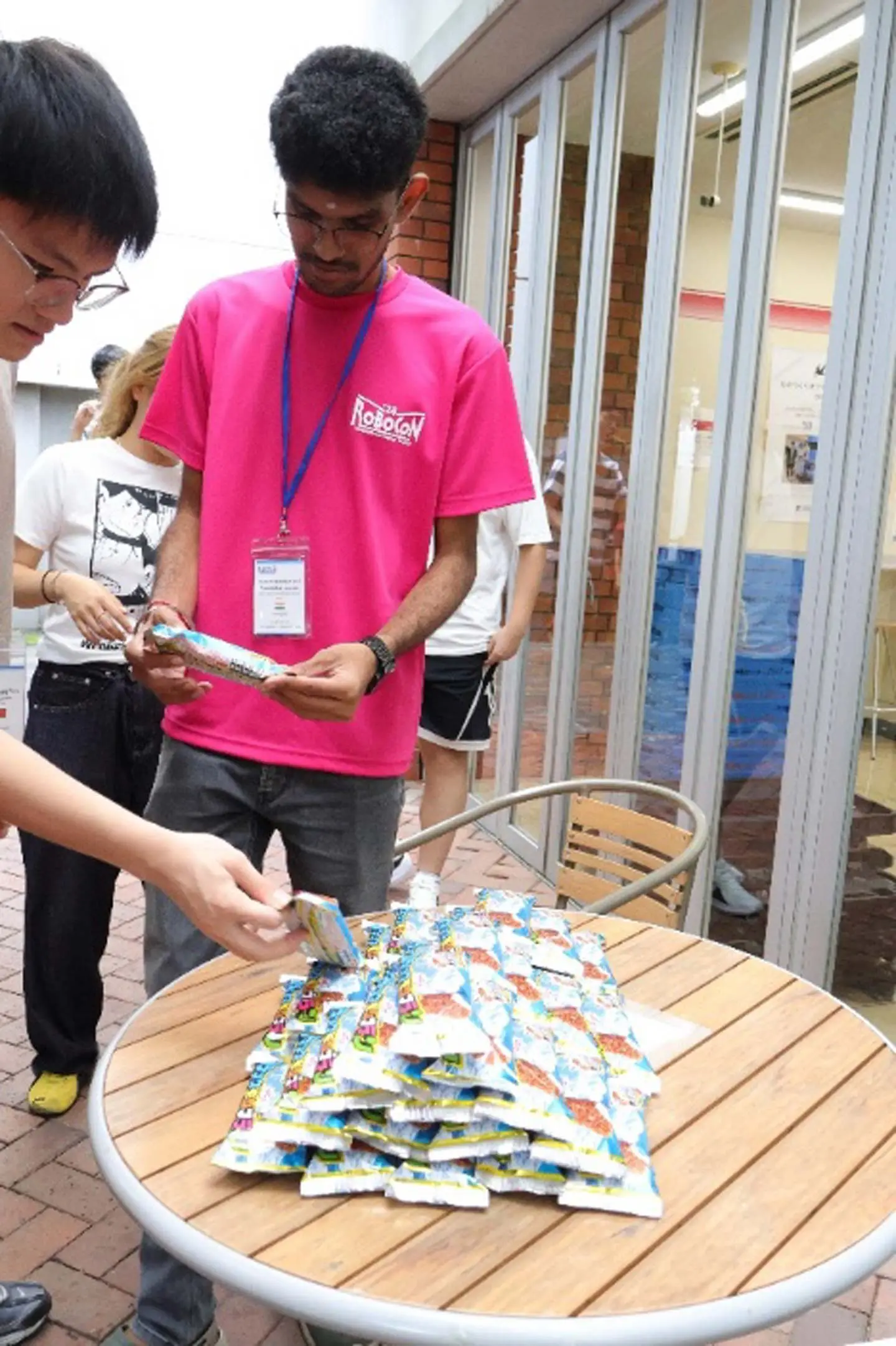
Amid the sweltering summer heat, this year’s IDC participants were treated to a cool surprise by Mayu Takeshita, president of Takeshita Confectionery Co., Ltd. Takeshita, an alumna of Tokyo Institute of Technology — Science Tokyo’s predecessor — and an IDC 2002 participant at MIT, brought all the participating students a Black Mont Blanc, the flagship ice cream product of her company.
Final round of IDC 2026
The final round of the contest was held on the last day of IDC 2026.
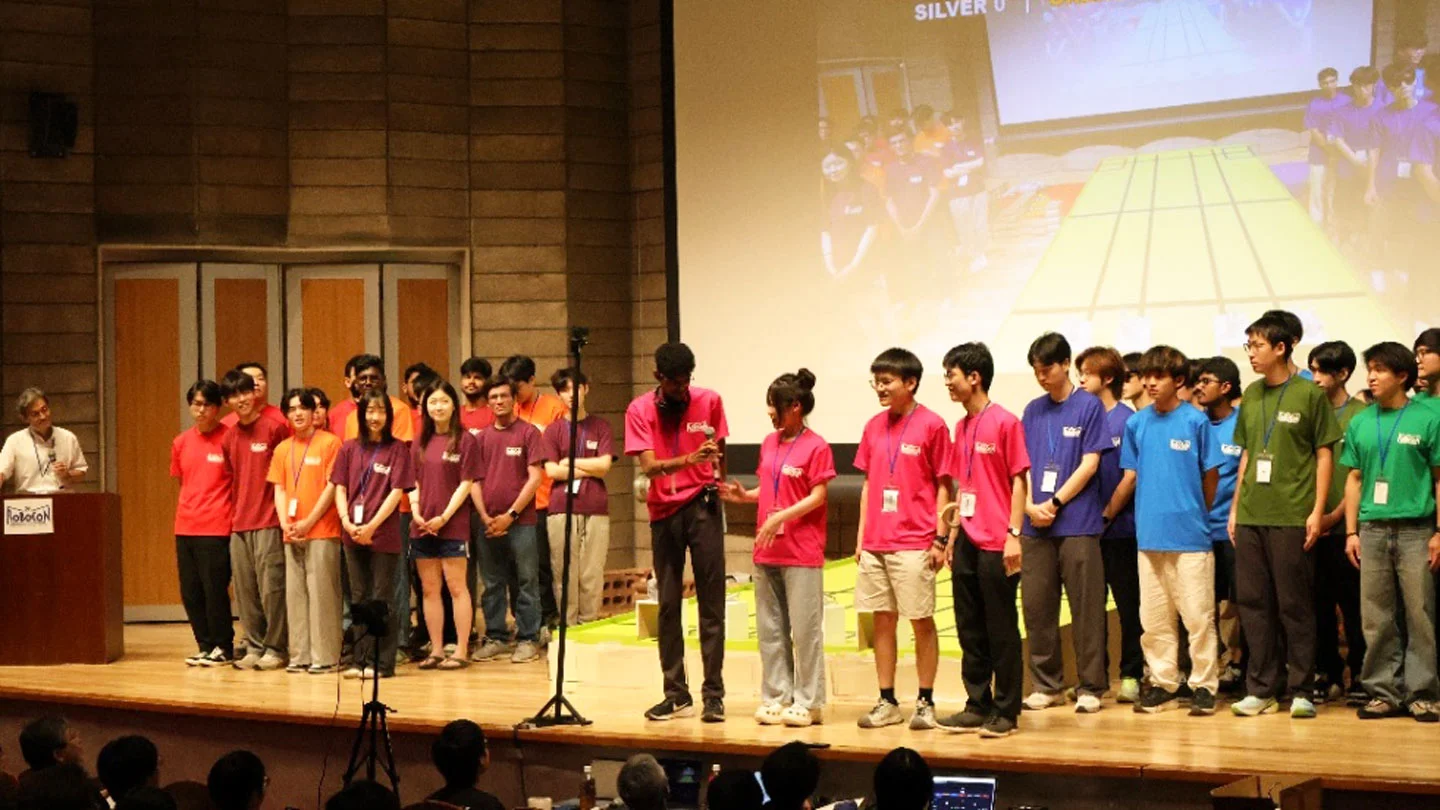
Each team showcased the results of their two weeks of hard work, and the matches were intense from the preliminary rounds onward. University constituents, corporate sponsors, and local residents gathered at the venue to watch the students take on the challenge. The atmosphere was electric as each team engaged in fierce competition with their ingeniously designed robots.
Announcement of results and awards ceremony
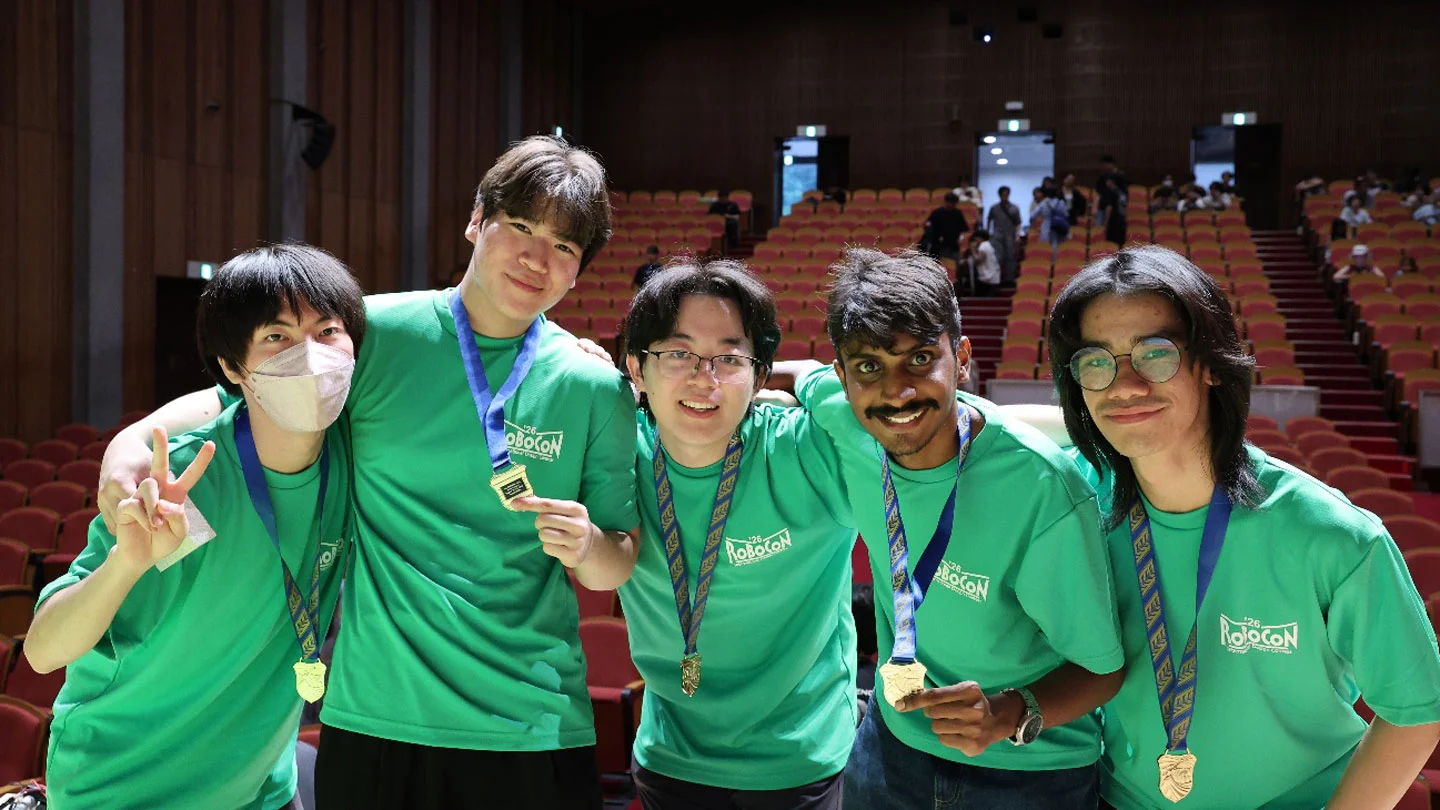
The final standings were determined by the combined scores from the cyber world contest and the final round of the physical world contest. The cyber world contest was held online on the penultimate day to accommodate the time differences for students participating from overseas and to avoid disruptions such as network latency.
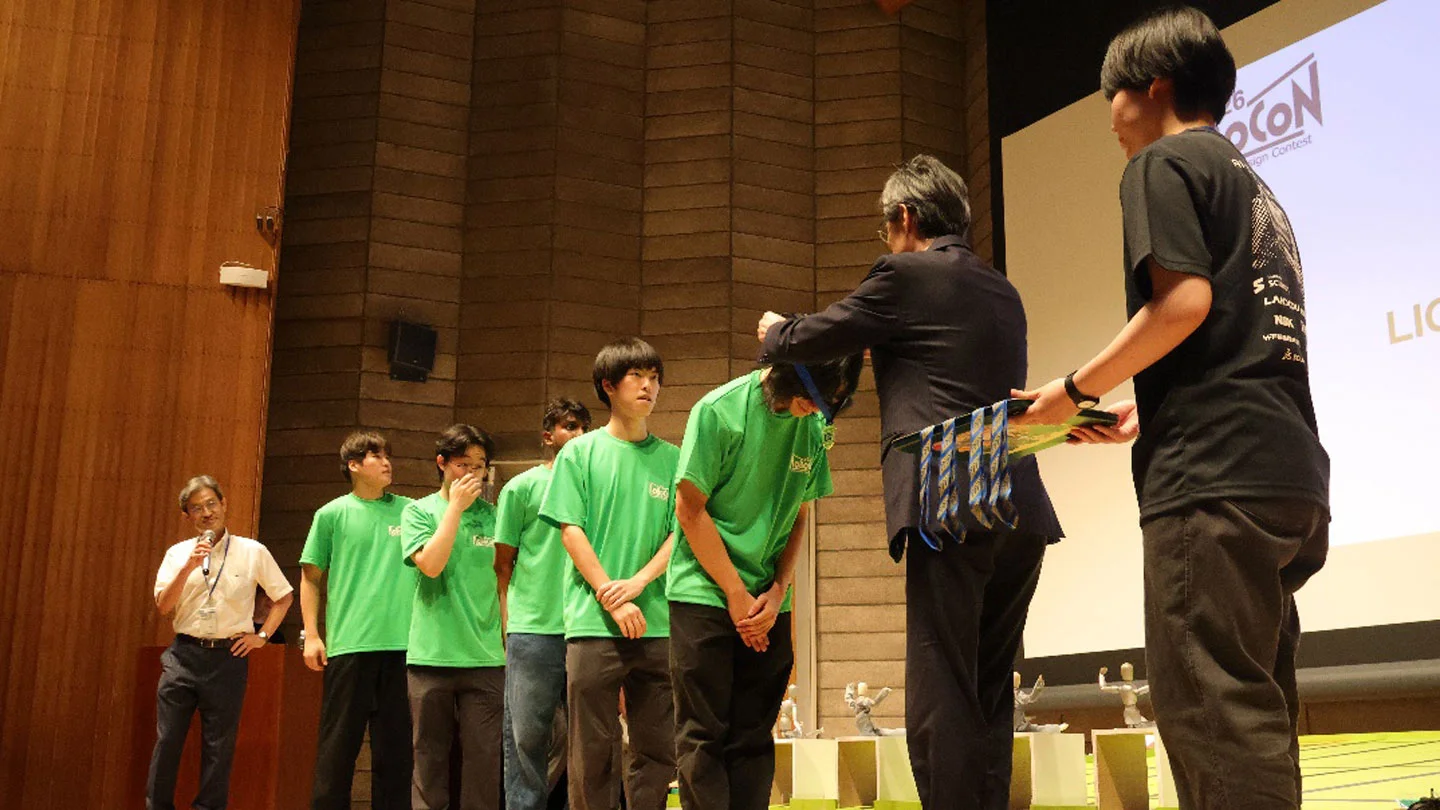
- IDC 2026 Winners: Light-Green Team
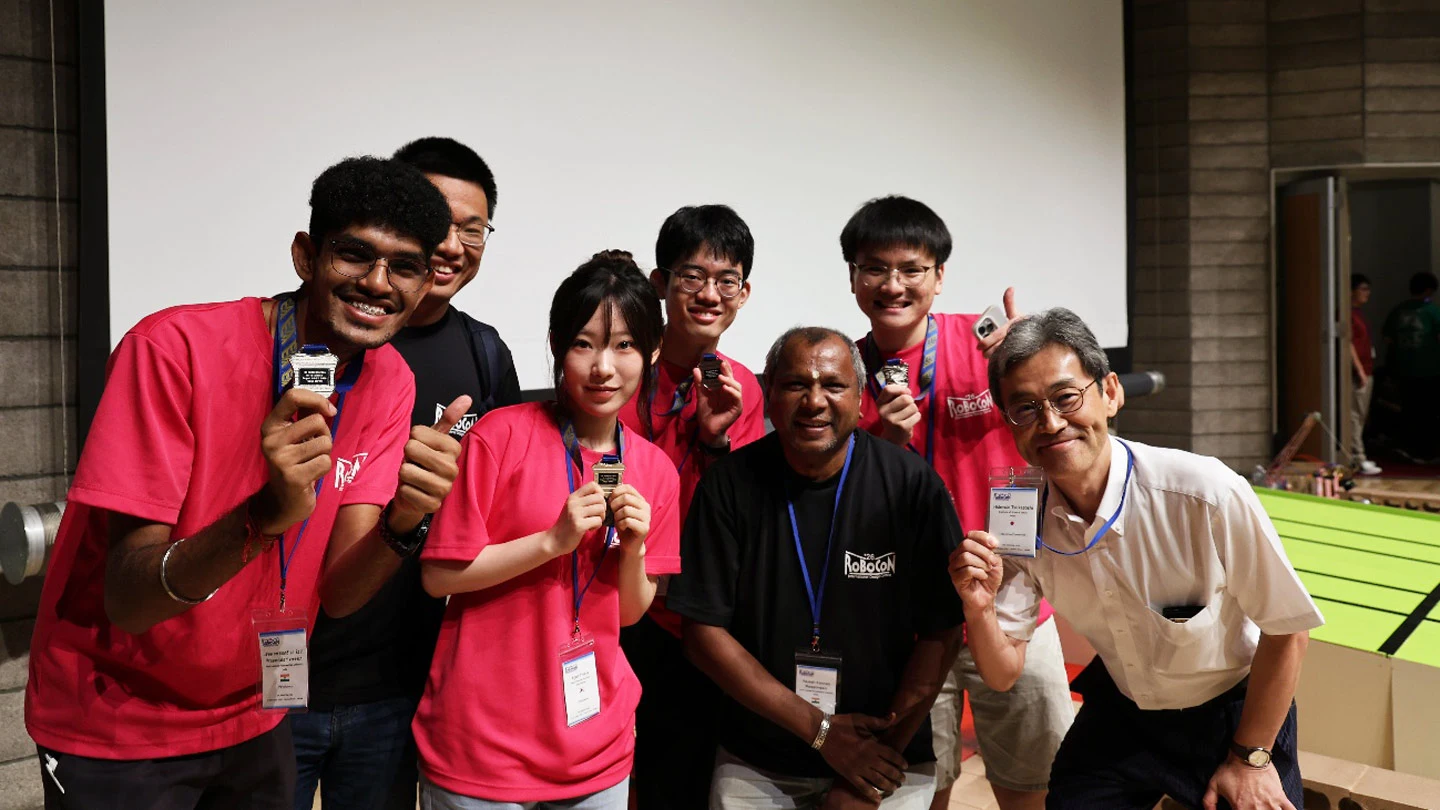
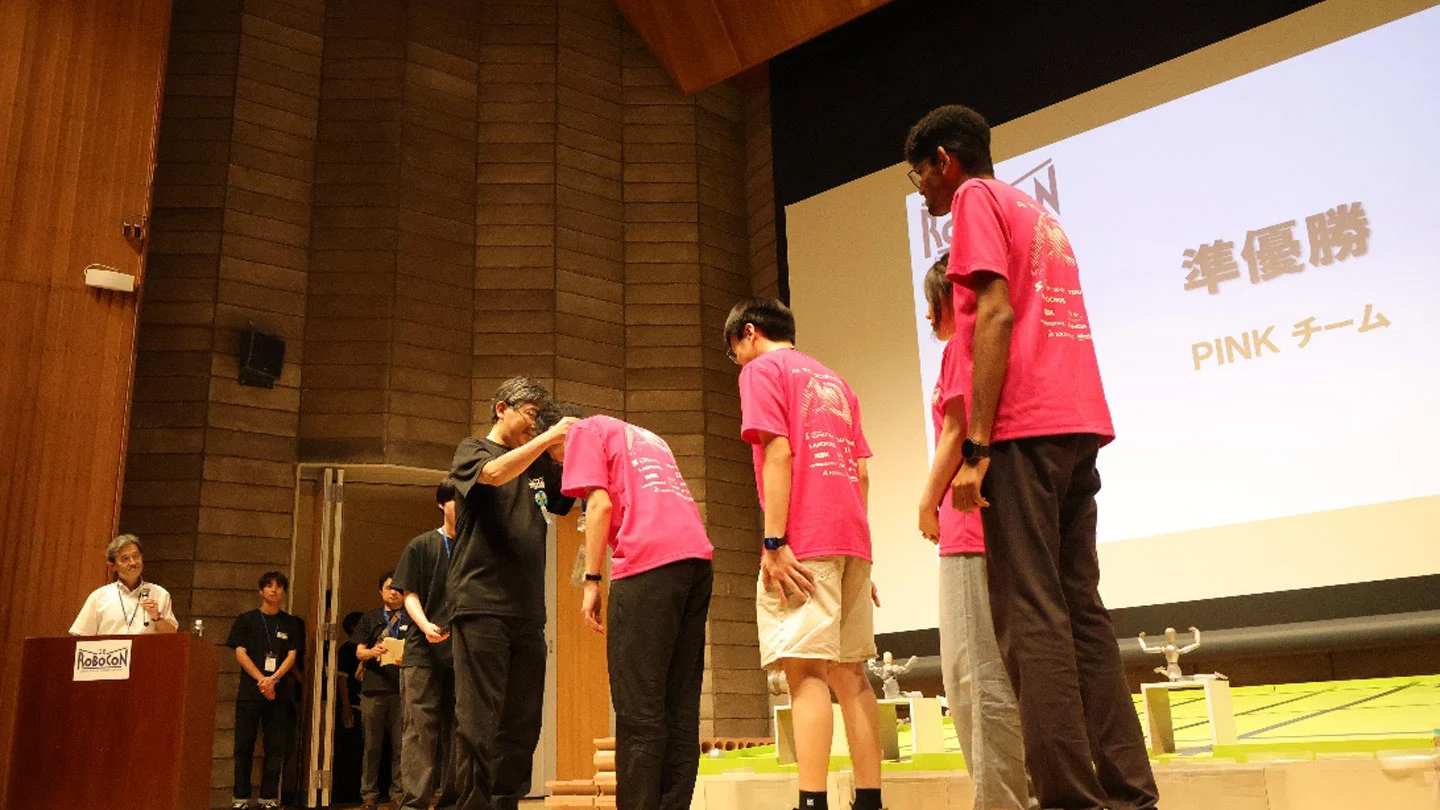
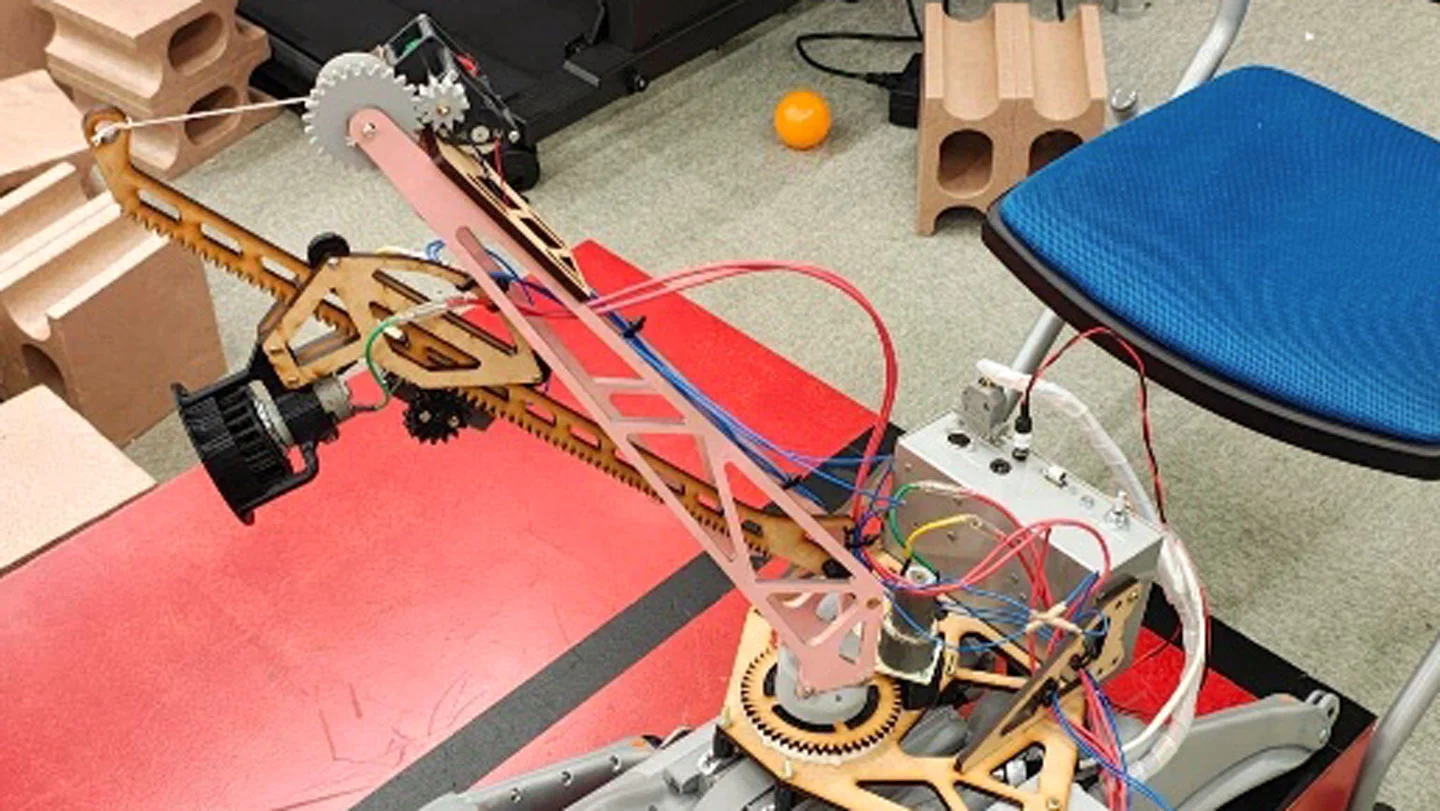
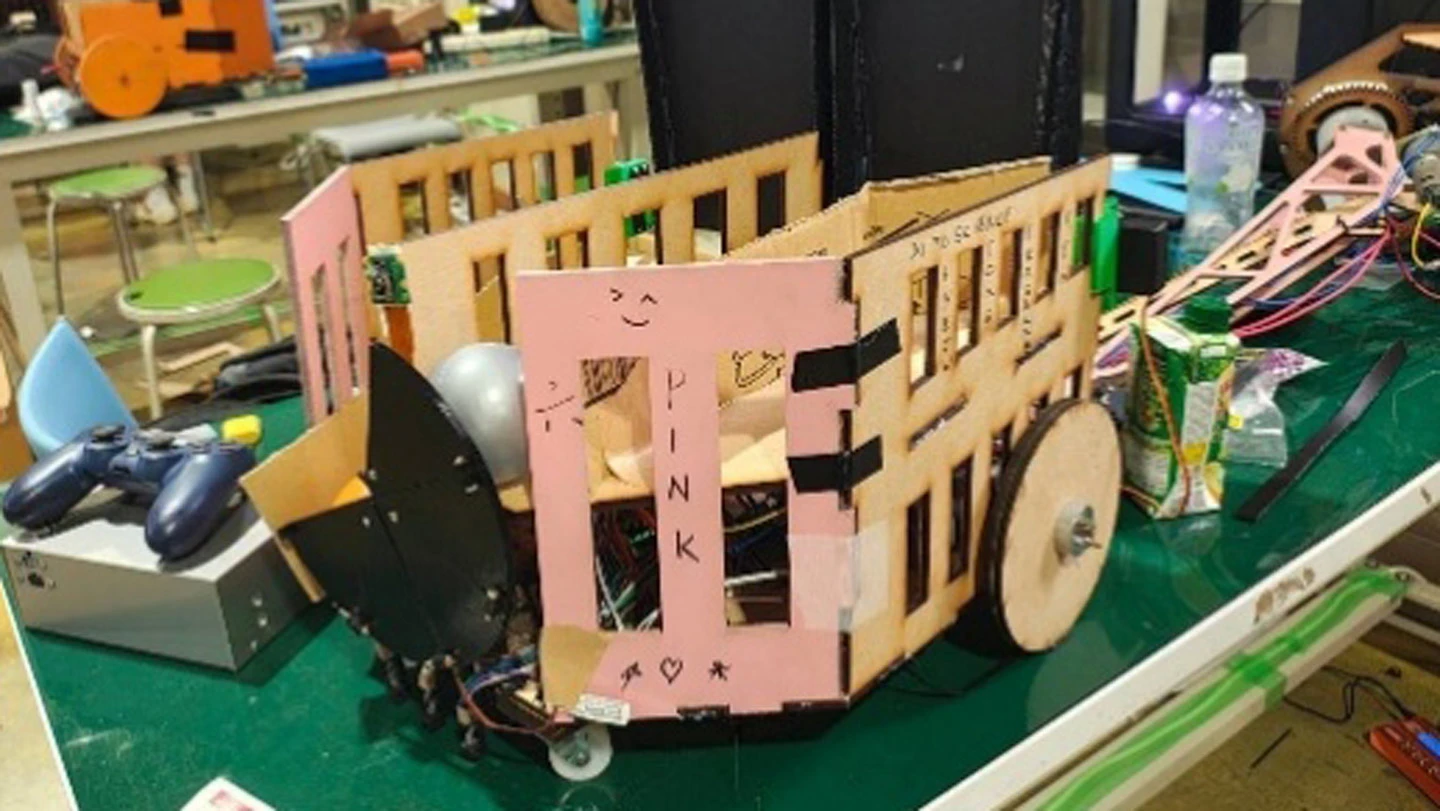
- Runners-up: Pink Team
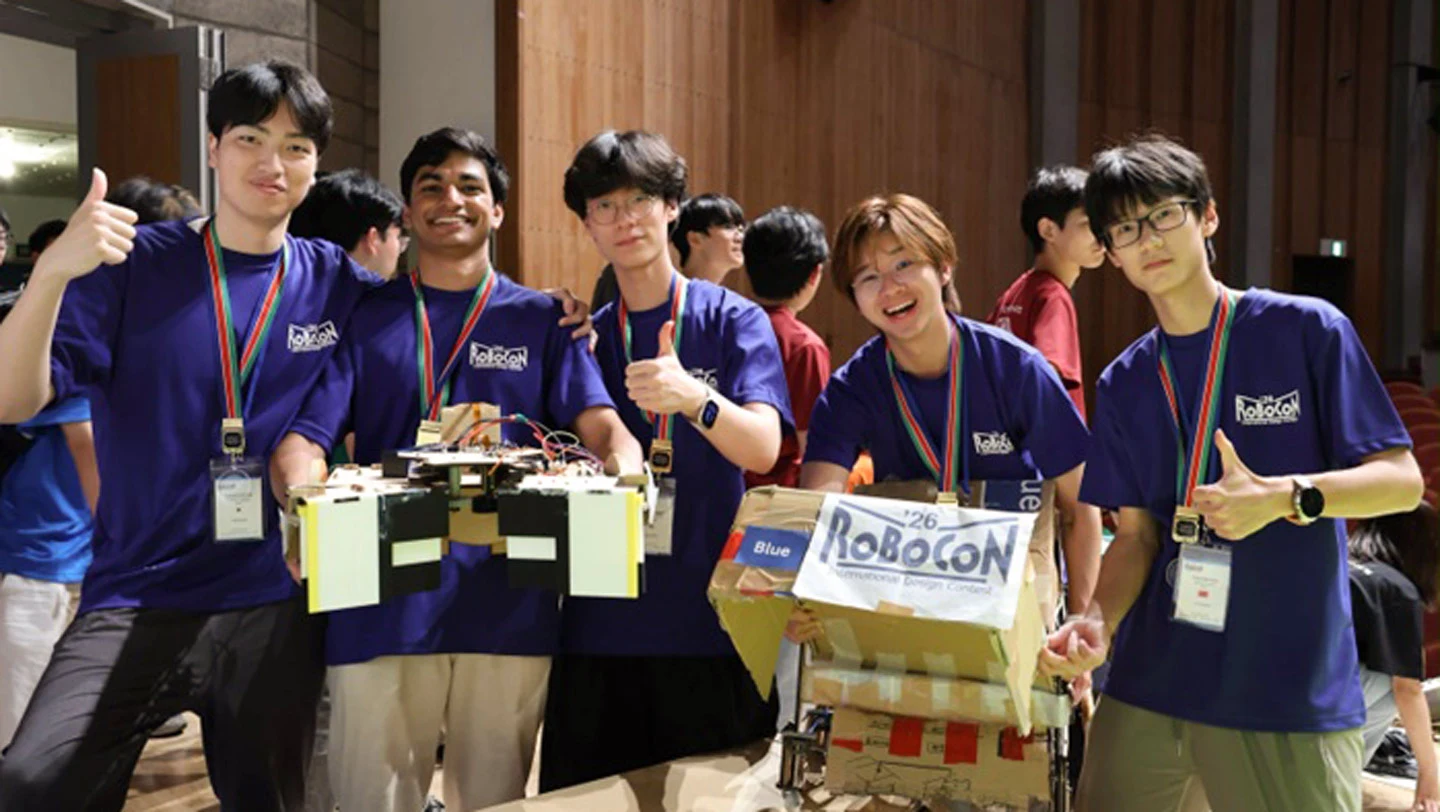
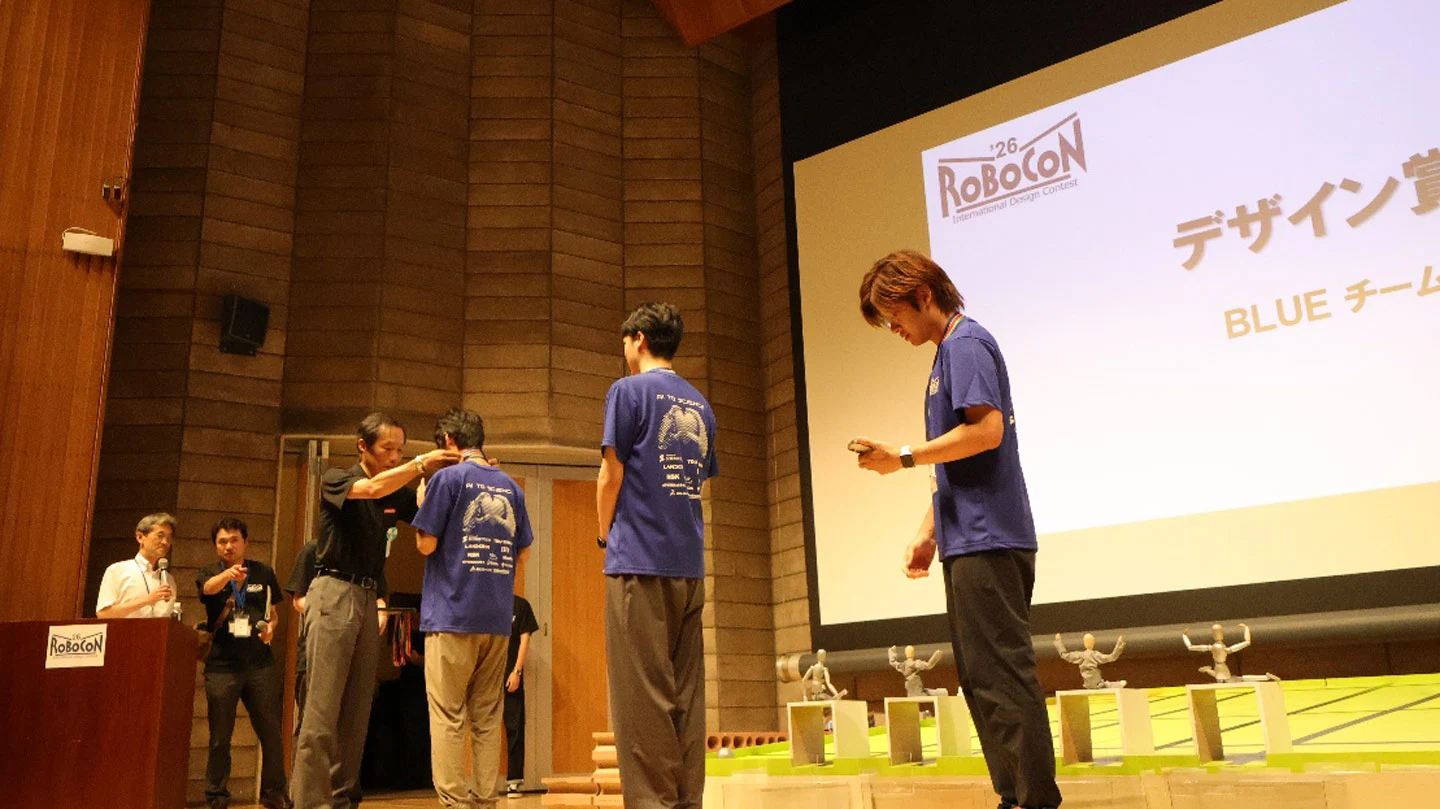
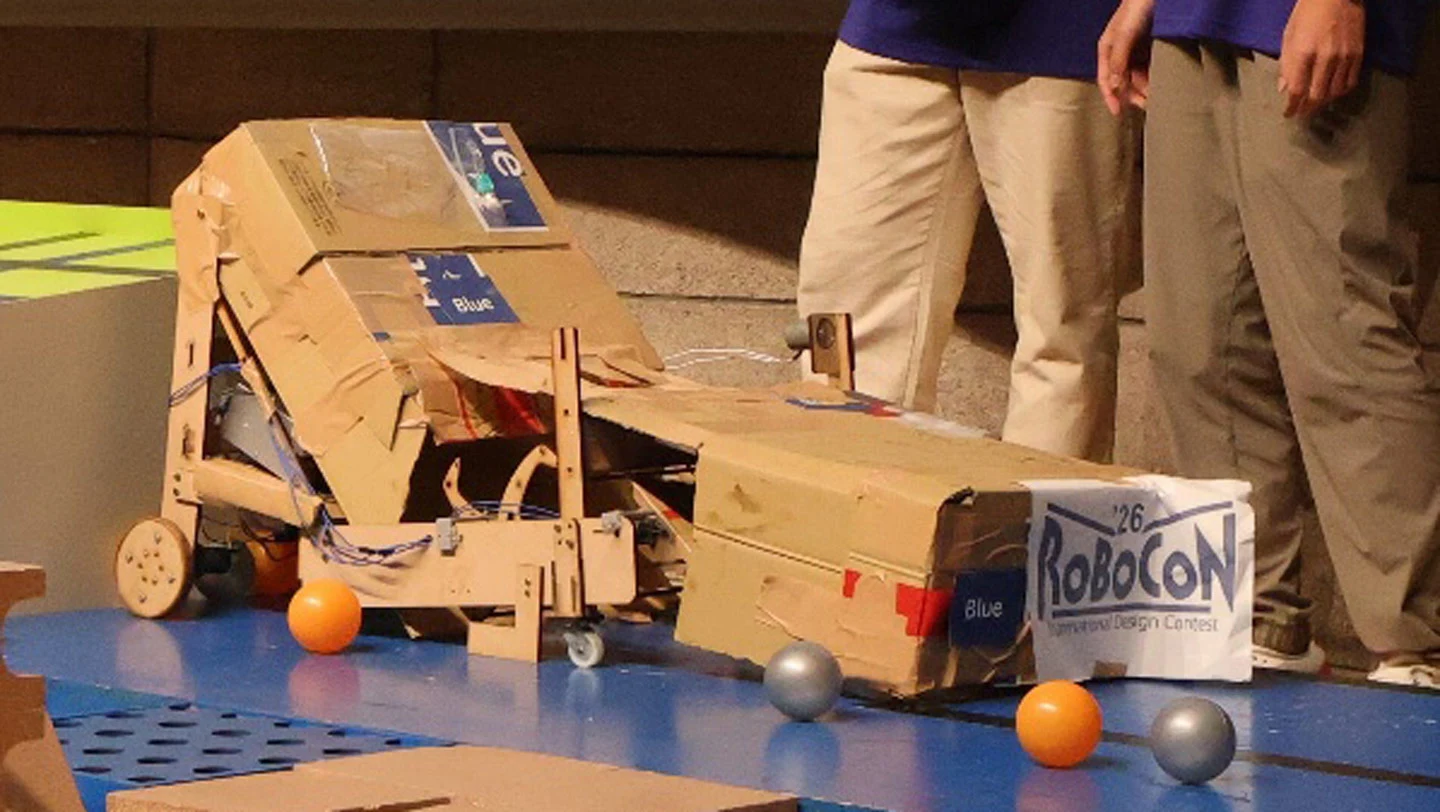
- Design Award: Blue Team
Technical and personal growth
IDC continues to be a valuable educational program that allows students to gain hands-on experience in robotics while developing international teamwork and communication skills. Students developing robots within a limited timeframe overcome numerous obstacles to bring their projects to fruition in an environment of international exchange.
Once again, IDC 2026 proved to be a contest that fostered significant growth among the participants, both technically and personally.
IDC 2027 is scheduled to be held at Seoul National University in South Korea.
Related articles
Contact
Associate Professor Masaki Yamakita, School of Engineering