Delegation of 25 Undergraduates from Partner University, the University of Malaya, Visits Our Campus
From March 2 to 4, 2026, a group of 25 undergraduate students majoring in Civil Engineering at the University of Malaya, one of our partner institutions in Malaysia, visited our Ookayama Campus. The Global Education Section at the Center for Entrepreneurship Education hosted the group for a three-day program.
The Global Education Section organizes a two‑week “Overseas Training Program in Singapore and Malaysia” every spring, and the University of Malaya is one of the destinations. Many of the visiting students expressed a strong desire to study at our university in the future. Throughout the three-day visit, they actively engaged in discussions and deepened their understanding through student exchange activities, laboratory visits, and a tour of the International Student Lounge.
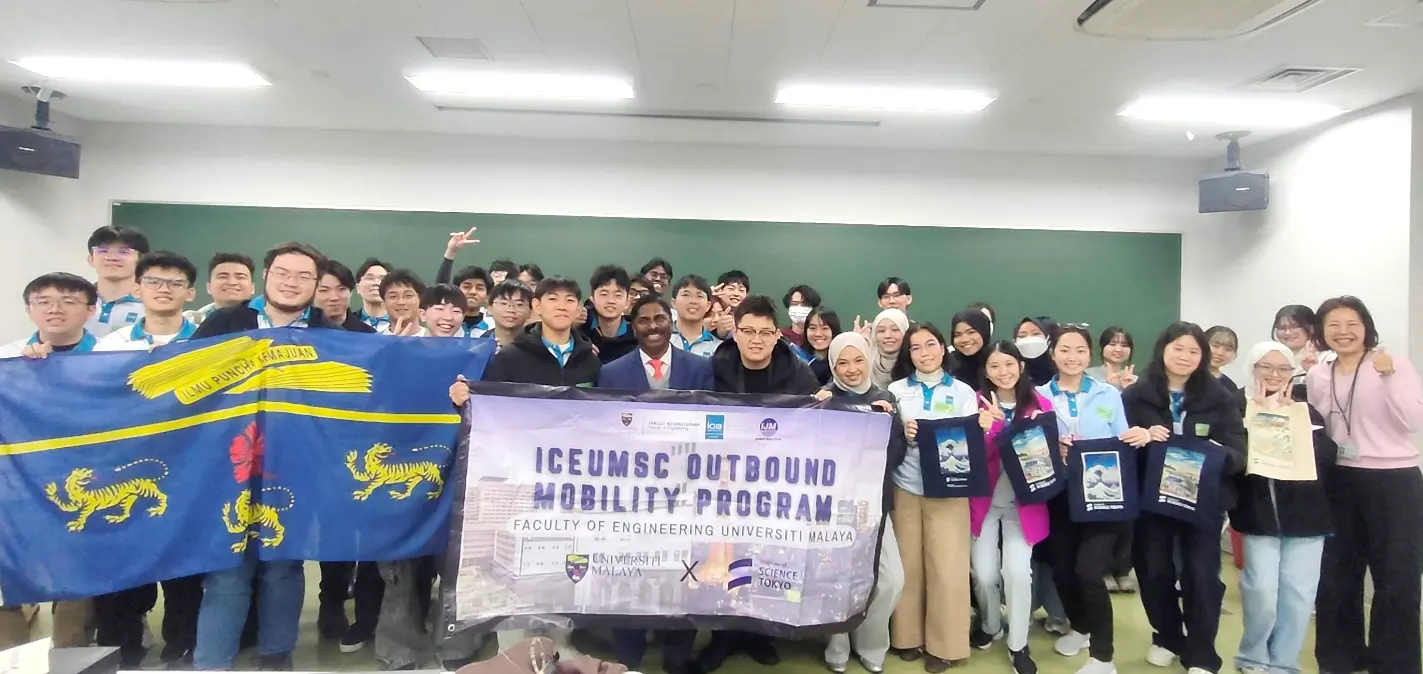
■ March 2 (Mon): Student Exchange Session
On the first day, both universities introduced their institutions, followed by an exchange session among students. From our university, students interested in future study‑abroad opportunities joined the session as part of the CEE‑approved lectures*. Participants were divided into groups of four to five and exchanged information about their student life, engaging in lively discussions.
This was followed by a workshop in which students from both universities compared their campus environments and proposed ideas for creating a “better campus.” Through these discussions, students gained new perspectives and shared creative ideas while learning about each other’s differences.
*Center for Entrepreneurship Education (CEE) offers “ENT.B211: Science, Technology, Culture, Society, and Innovation 1” (1 credit) for undergraduate students enrolling in 2024 or later to expand opportunities for entrepreneurship education. This course allows students to earn the credit by participating in following activities designated as “CEE-approved lectures.”
CEE designates on-campus activities which contribute to broad-based entrepreneurship education, such as lectures, seminars, and workshops as CEE-approved lectures. Students can receive one “Entre Point” after joining a CEE-approved lecture for 50 minutes and students who accumulate 14 Entre Points can earn the credit for the course above.
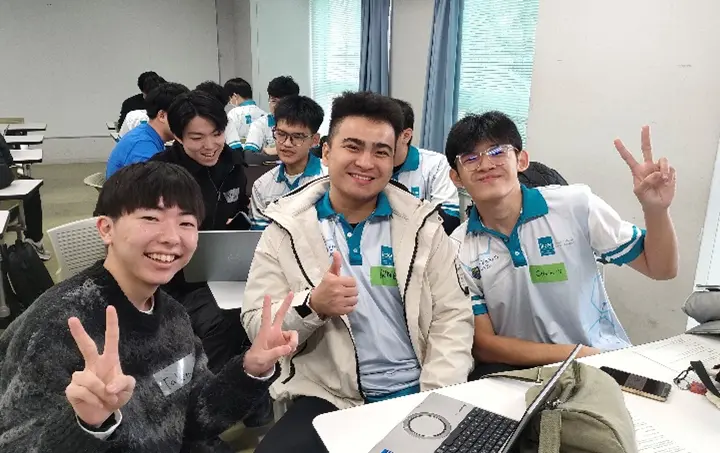
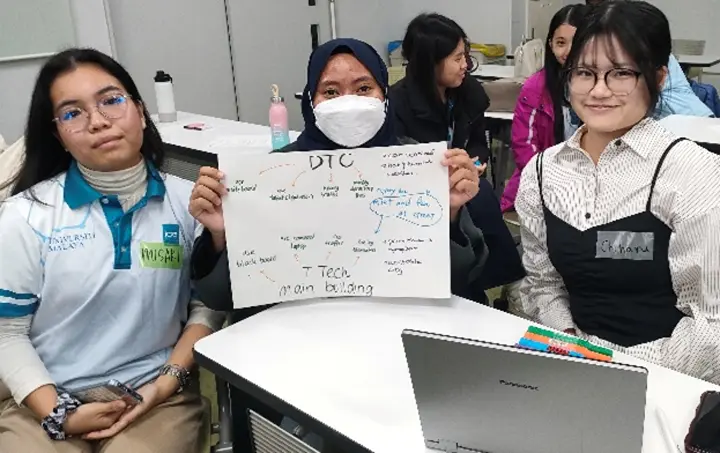
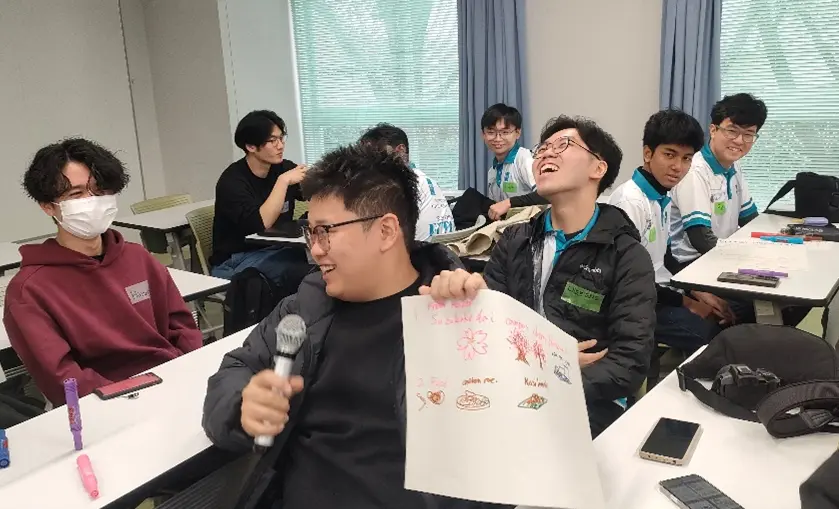
◇Comments from Participants (Excerpt)
“It was interesting to connect cultural differences with something as familiar as school life.”
“The students from UM were very friendly and easy to talk to. We prepared slides, but the conversation was so lively that we didn’t end up using them.”
“I learned a lot about Malaysia’s education system and cultural differences, such as the one‑year preparatory period after high school.”
“I was surprised to hear that private tutors in Malaysia earn such high hourly wages (6000Yen/hour).”
“I learned about their university lives, which are very different from mine. The admission process, depth of learning, and lifestyle were all fascinating.”
“I think it’s good that most Japanese students walk around campus instead of using vehicles. This is something we could apply in Malaysia.”
“Although our cultural backgrounds differ, we bonded over liking the same manga. Preparing slides helped us share our interests and student life more easily.”
“Malaysia has a rainy season from October to January, and it’s mostly sunny otherwise. There is even a place on campus where students can kayak to refresh themselves.”
■ March 3 (Tue): Laboratory Visits
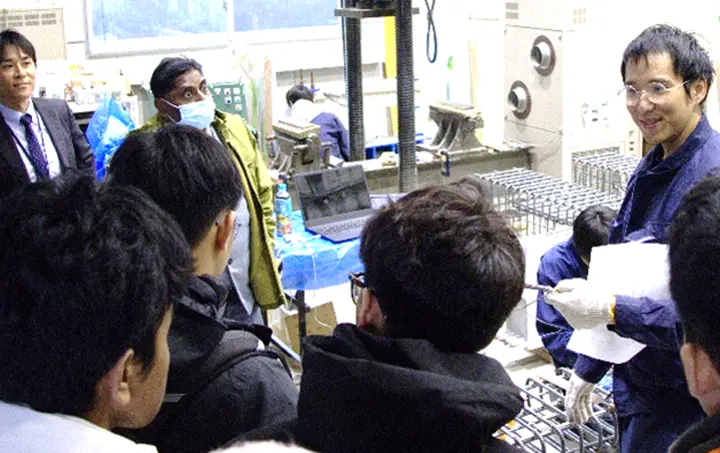
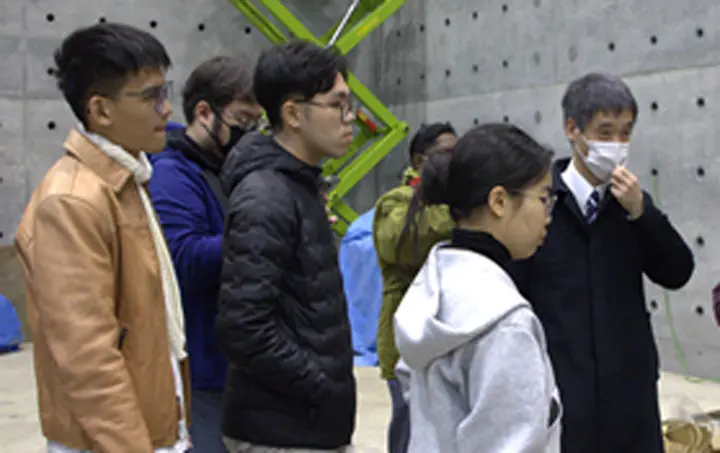
On the second day, the students visited laboratories in the School of Environment and Society, as many of them are interested in earthquake engineering and sustainable construction materials. Professor Chihiro Yoshimura kindly coordinated the visit and provided an overview of the School and opportunities for studying at our university. Professors Nobuhiro Chijiwa and Yutaka Matsuzaki then introduced their respective research fields.
The group subsequently visited each laboratory and observed the research environment firsthand.
<Laboratories Visited>
Prof. Nobuhiro Chijiwa’s Laboratory
(Concrete Engineering, Department of Civil and Environmental Engineering)
Assoc. Prof. Yutaka Matsuzaki’s Laboratory
(Earthquake/Structural/Concrete Engineering, Department of Civil and Environmental Engineering)
◇Comments from Participants (Excerpt)
“The advanced equipment, precise experimental procedures, and strong emphasis on safety left a deep impression on me. Watching the team work efficiently and record data carefully showed me the high quality of research in Japan.”
“I was impressed by how cutting‑edge instruments are used to connect basic science with real social issues. The active discussions between students and faculty, and the integration of theory, simulation, and experiments taught me the importance of systematic research design.”
“I gained a renewed understanding of the importance of research aimed at protecting people from natural disasters such as earthquakes. The scale and cleanliness of the facilities were remarkable, and I felt motivated to approach my future research with greater responsibility.”
■ March 4 (Wed): International Student Life Session & Visit to the International Student Lounge
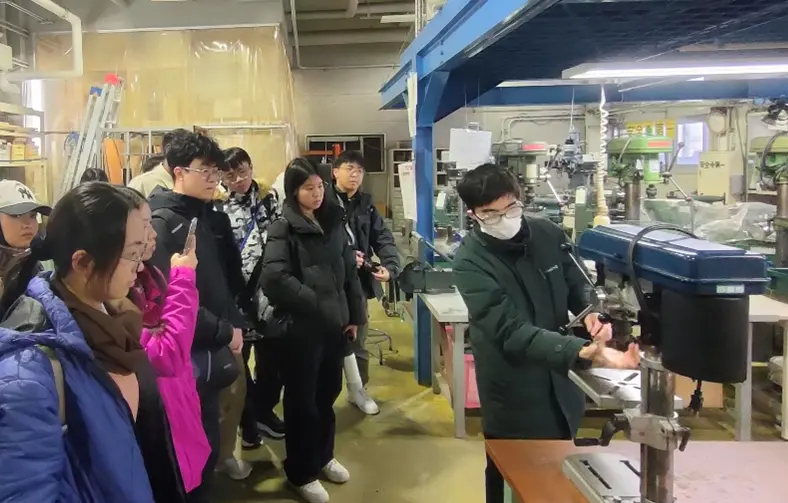
On the final day, Mr. Hakim, a master’s student at our university, gave a session on “Life as an International Student.” He shared practical information about research activities, daily life in Japan, and preparations before coming to Japan. The visiting students listened attentively and were able to form a concrete image of studying abroad.
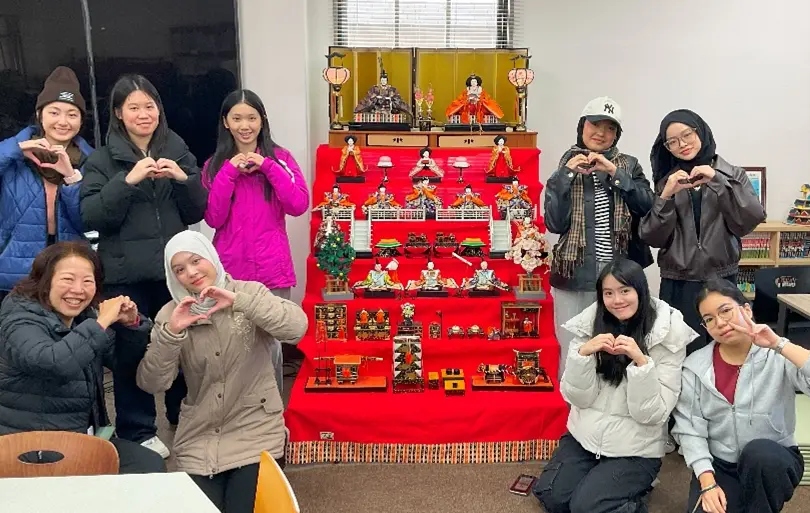
During the subsequent campus tour, the group visited the International Student Lounge, where Japanese language professors explained the features of Japanese language classes, events held at the lounge, and available learning support. The session provided valuable insights from the perspective of current international students and helped the visitors feel closer to student life at our university.
■ Future Outlook
Our university and the University of Malaya continue to maintain a strong partnership and regularly conduct student exchange activities. Next year, the "Overseas Training Program in Singapore and Malaysia" are scheduled to visit the University of Malaya again. This visit served as a meaningful opportunity for students from both universities to broaden their international perspectives and build new connections.
Related Links:
- Short-term Study Abroad Programs Singapore and Malaysia, Spring 2025 Short report
- Short-term Study Abroad Programs Singapore and Malaysia, Spring 2025
- Short-term Study Abroad Programs Singapore and Malaysia, Spring 2024 Short report
- Short-term Study Abroad Programs Singapore and Malaysia, Spring 2024
Global Education Section,
Center for Entrepreneurship Education