A debriefing session by the participants in “7th Tokyo Tech-MIT Student Exchange Program” was held on January 27, 2026.
This program is a tuition-free, credit-transferable undergraduate student exchange program between the Engineering Schools (School of Engineering, School of Materials and Chemical Technology, and School of Environment and Society) at Institute of Science Tokyo (Science Tokyo) and the Department of Nuclear Science and Engineering at Massachusetts Institute of Technology (MIT). It is based on the former department-level agreement, concluded in AY2019 between the Laboratory for Advanced Nuclear Energy in the Institute of Innovative Research of former at Tokyo Institute of Technology (Tokyo Tech) and the Center for Advanced Nuclear Energy Systems at MIT, which has been decided to be extended under a new agreement between Science Tokyo and MIT since AY2026.
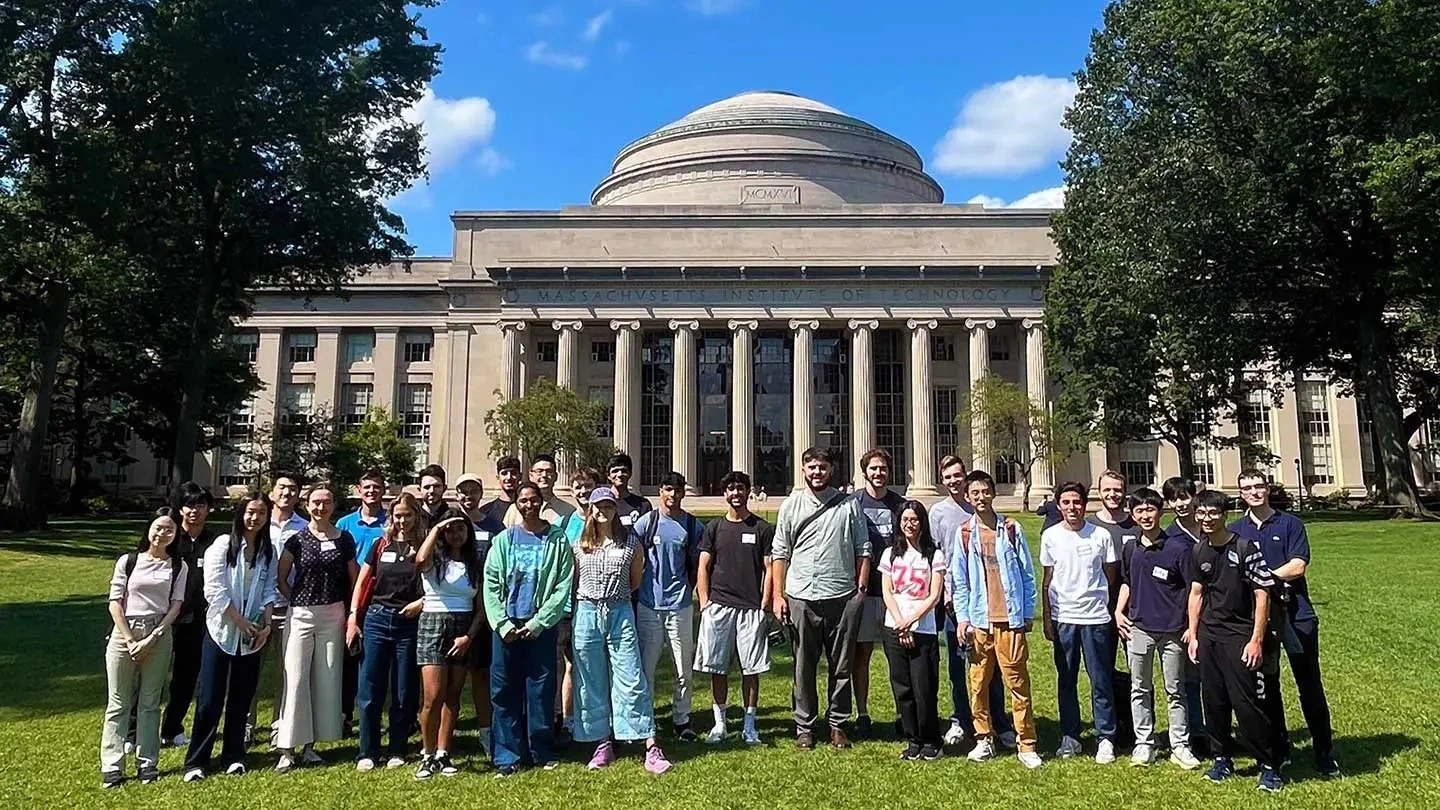
In AY2025, Natsuka Kawakami (4th year undergraduate student, Department of Chemical Science and Engineering, School of Materials and Chemical Technology) and Shunya Kuroda (4th year undergraduate student, Department of Transdisciplinary Science and Engineering, School of Environment and Society) joined in this program to study at MIT for four months from September to December, and a MIT student, Cole Wickert (3rd year undergraduate student, Department of Nuclear Science and Engineering, MIT), was hosted by Science Tokyo for his studies here in Tokyo for four months from October to January.
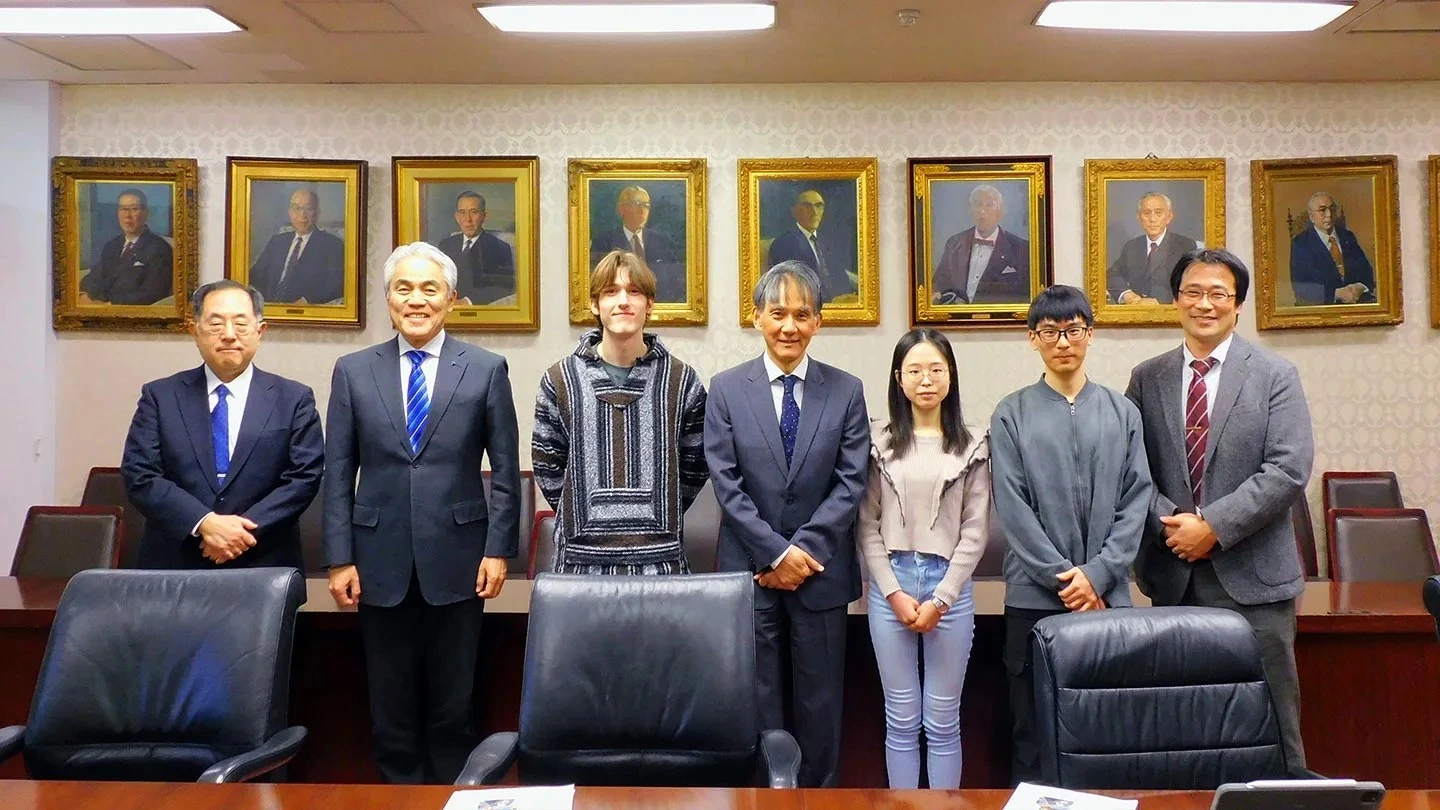
At the debriefing session, the outcomes by the exchanged students were reported to Wakabayashi. The students from Science Tokyo who studied at MIT reported that they were able to assure that their academic and research capabilities forested by their preliminary studies at Science Tokyo are fully applicable even on the world's highest-level stage through the studies under the extremely stimulating environment of MIT. In particular, they mentioned that the experience of independent and proactively conducting research by Undergraduate Research Opportunities Program (UROP) at MIT and that of compiling the results into a research report became a solid confidence toward their advanced research activities in the future. The student from MIT reported that the participation in the highly specialized and practical research laboratory at Science Tokyo was a fruitful experience. He also noticed that he was able to have many deep experiences of Japanese culture through his off-campus activities in Japan.
Wakabayashi stated his assessment that this program is contributing to the enrichment of learning experiences for our students, as well as to the elevation of international evaluation on Science Tokyo.
Comments from participants
Natsuka Kawakami
I had many valuable experiences during this study abroad program.
In my coursework, I had opportunities to interact with students from various fields, which made me realize my lack of experience. On the other hand, I was able to keep up with graduate-level lectures, which made me feel the solid achievements of my preliminary study in Japan and boosted my motivation for future learning.
Before joining this program, I was always busy with my studies and couldn’t fully enjoy my free time. During my stay at MIT, however, I had a relaxing time to go out at least once a week to enjoy life there. As a result, I was able to focus on the assignments and research on weekdays, which taught me the importance of the balance of study and relaxation.
In addition to the acquisition of a new culture and practical English skills, I feel that I have grown as a person through the interactions with people from different backgrounds or perspectives. I truly realized how much I was supported by those around me, came to value ordinary everyday life, and rediscovered the greatness of Japan. Moreover, I am now able to accept my past and be confident in myself.
If you have even the slightest interest in studying abroad, I highly encourage you to give it a try. Although you might face some difficulties, I’m sure the experience will be worth it and you’ll feel a strong sense of achievement.
Shunya Kuroda
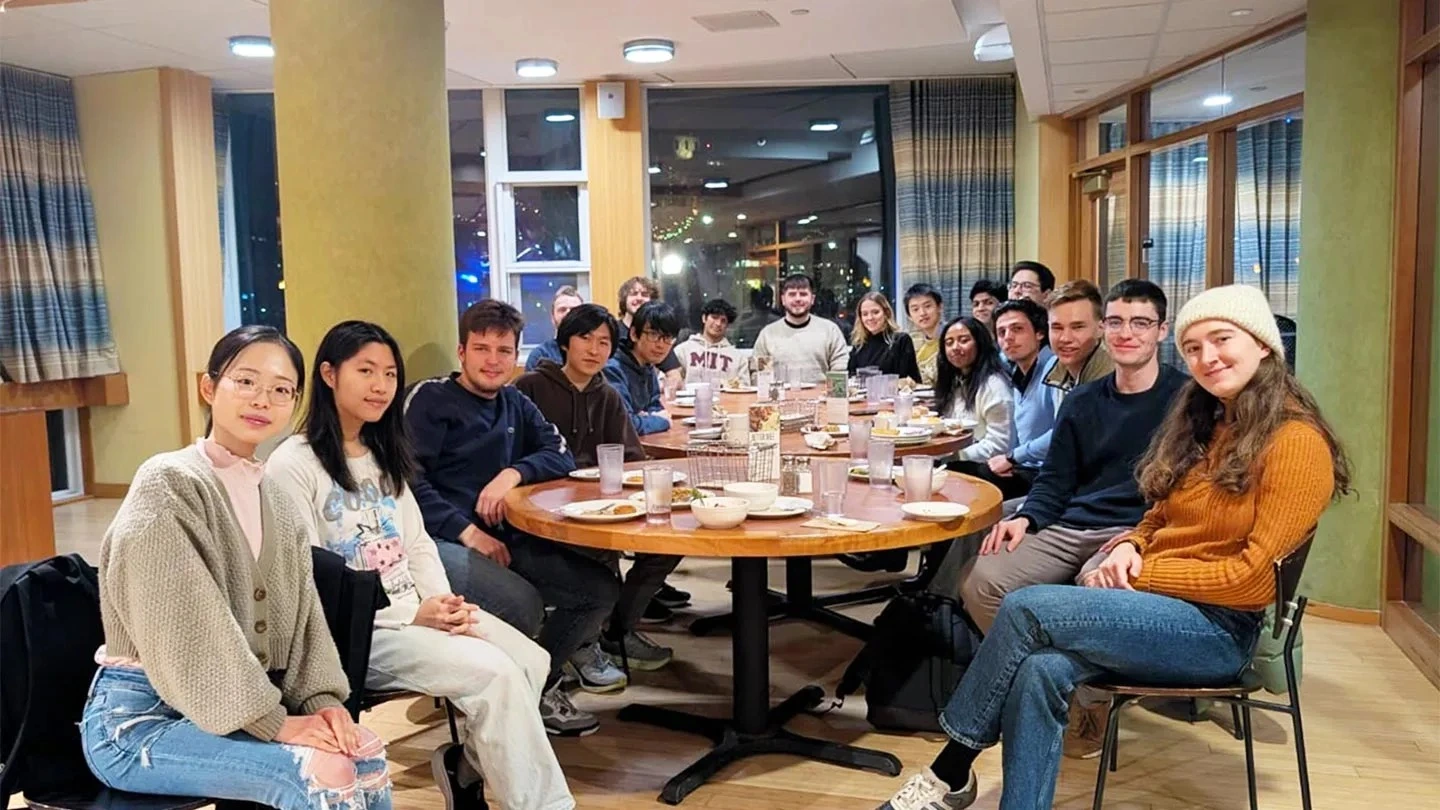
My study abroad experience at MIT provided me with invaluable lessons that spanned both academics and daily life, reaching far beyond what I had initially imagined.
In the course "22.033," I collaborated on a group project with students from the Department of Nuclear Science and Engineering. Despite the broad nature of nuclear science, working alongside students from diverse specializations in a truly multinational environment was an irreplaceable experience. Regarding my research, I had the privilege of joining a project where I experienced the American research style first hand. Being involved in the initial start-up phase of the project was particularly meaningful and rewarding.
Beyond the classroom, my extracurricular life was equally fulfilling. Sharing dinner every night with other exchange students and participating in various events allowed me to build many lasting friendships and gain a wealth of new perspectives.
I am profoundly grateful to both Science Tokyo and MIT for providing this opportunity, and I would like to express my sincere thanks to my friends, family, and everyone who supported me throughout this time.
Cole Wickert
Last semester, I had the opportunity to study and conduct research at Science Tokyo as a graduate student in Nuclear Engineering. The institute offered a rigorous and specialized academic environment, with courses in areas of nuclear engineering, including thermal hydraulics, nuclear fuel cycle engineering, and innovative reactor design.
During my time there, I took six courses and conducted research in the Kikura Laboratory, which focuses on advancing nuclear thermal hydraulic measurement technologies. I contributed to a study on bubble behaviour and boiling characteristics in subcooled pool nucleate boiling, and developed new technical skills including ultrasonic velocity profiling and simulation work using ANSYS. A particular highlight was designing a high temperature gas cooled reactor for water desalination as part of the Innovative Nuclear System Design course, a project I am especially proud of.
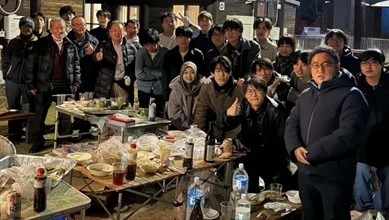
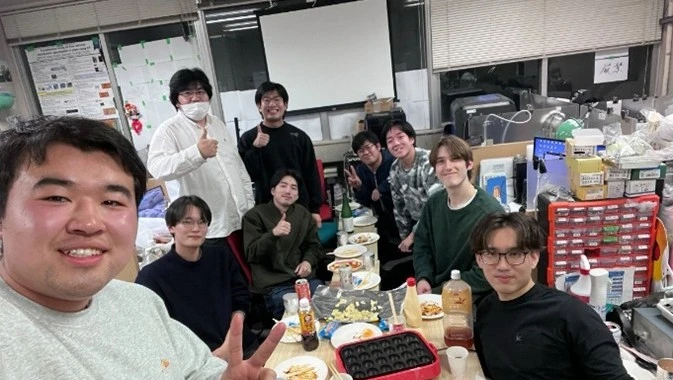
The research culture at the institute was something I greatly appreciated. Lab members were incredibly welcoming, and frequent social gatherings with my host professor and fellow students helped me build strong relationships and gain a deeper understanding of Japanese academic culture. I also had the unique opportunity to visit the Fukushima Daiichi Nuclear Power Station, which was a deeply meaningful experience given my area of study.
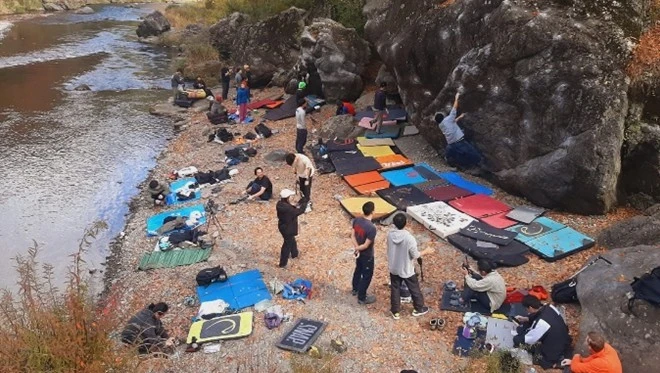
Outside of academics, I spent much of my free time rock climbing and took full advantage of Japan's world class climbing community. I also travelled widely, visiting Kyoto, Osaka, Nara, Hiroshima, and Fukushima, and made a point of exploring as many different types of Japanese food as I could.
It was a genuinely memorable semester, and I would wholeheartedly recommend the program to any student considering studying abroad.
Related articles
Contact
International exchange team, Administration Group, School of Materials and Chemical Technology Administration Division
- mitp@adm.isct.ac.jp