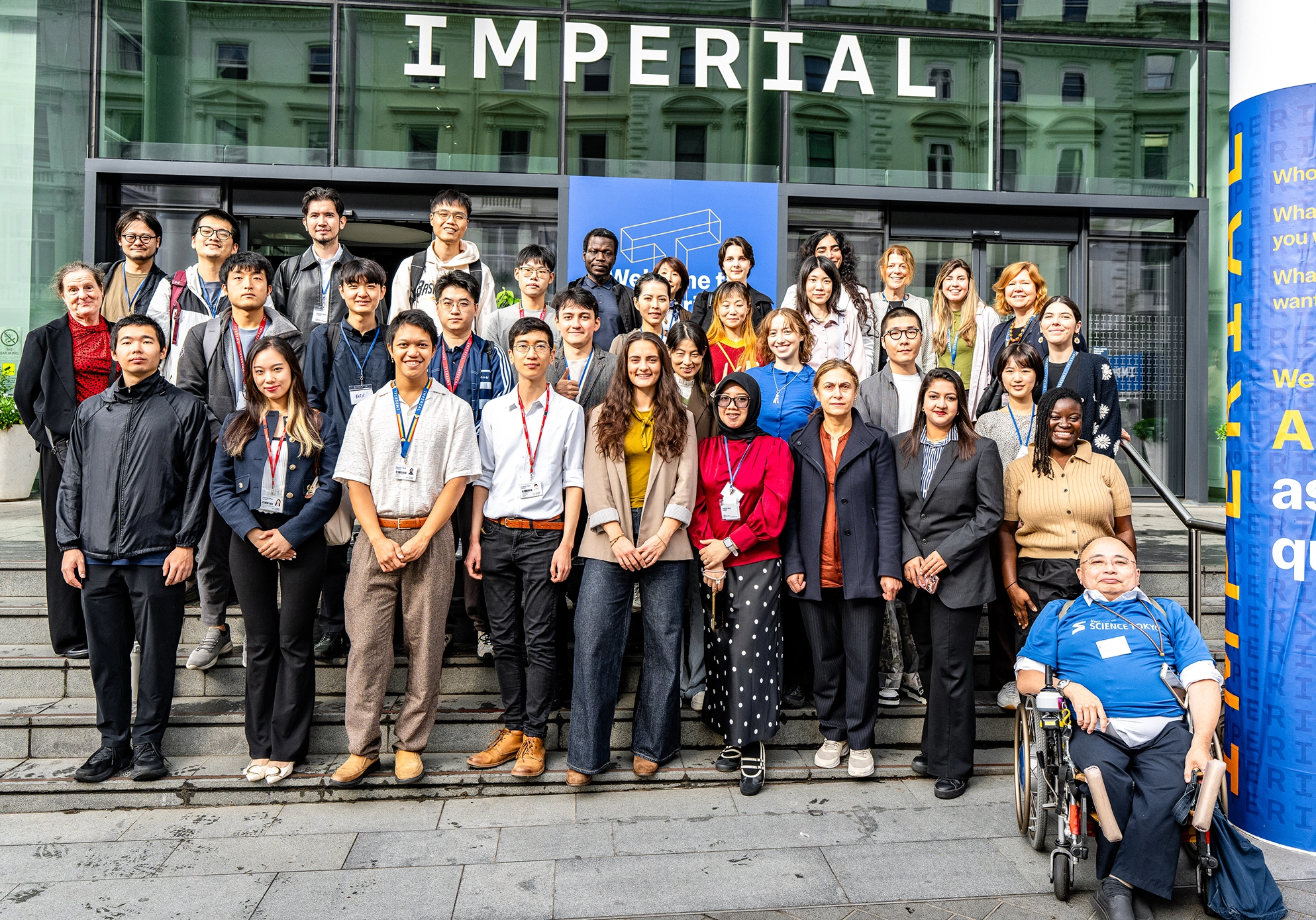
The Imperial-Science Tokyo Global Fellows Programme (GFP) 2026, the sixth doctoral student exchange program between Imperial College London (Imperial) and Institute of Science Tokyo (Science Tokyo) took place in London from September 7 to 11, 2026.
This program is an international exchange initiative jointly launched in 2018 by Science Tokyo and Imperial. Its objectives include fostering communication skills across academic disciplines and national borders, enhancing leadership skills, and building networks among young researchers. After being held in London in 2019, the program was suspended for three years due to the COVID-19 pandemic. Since 2023, it has been held biennially, alternating between Japan and London, and this marked the sixth iteration of the program.
This program has consistently adopted the 17 Sustainable Development Goals (SDGs)—the United Nations’ framework for transforming the world toward sustainability—as its theme. The theme for this edition was “Net Zero*—from Data to Action”. Achieving net zero is a challenge that touches nearly every sector of society, from energy and urban development to transportation and consumption. This theme is related to the following of the 17 Goals: #7, “Affordable and Clean Energy”; #11, “Sustainable Cities and Communities”; and #13,“Climate Action.
*“Net Zero” refers to the practice of subtracting the amount of greenhouse gas emissions absorbed by forests or through removal technologies from the total emissions, resulting in a net “zero” overall.
A total of 30 doctoral students—15 each from Science Tokyo and Imperial —participated. During the five-day program, participants attended lectures on the theme, exchanged ideas with experts, and toured relevant facilities to gain an understanding of the challenges associated with net-zero and to explore how evidence, creativity, and collaboration can translate into concrete action. On the final day, each team presented a project in which they addressed a specific challenge and proposed a solution. The participants discovered both the joys and challenges of collaborating as a team with members from diverse backgrounds, making for a very fulfilling five days.
Representing Science Tokyo were Associate Professors Hironao Kaneko and Yuto Koizumi from the School of Liberal Arts; Specially Appointed Associate Professor (Lecturer) Sasipa Boonyubol of the School of Environment and Society, and a staff member of the Global Education Division.
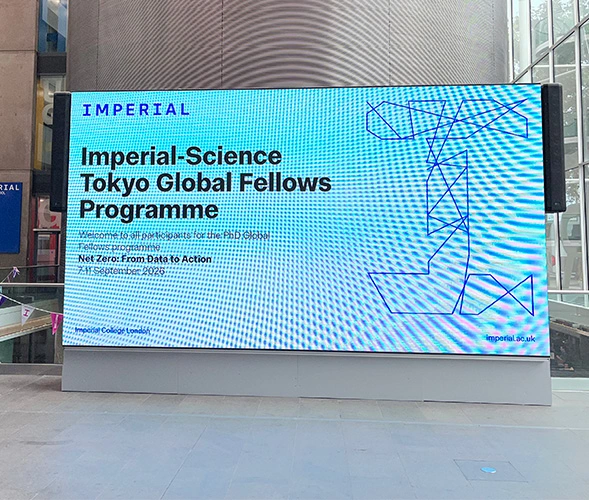
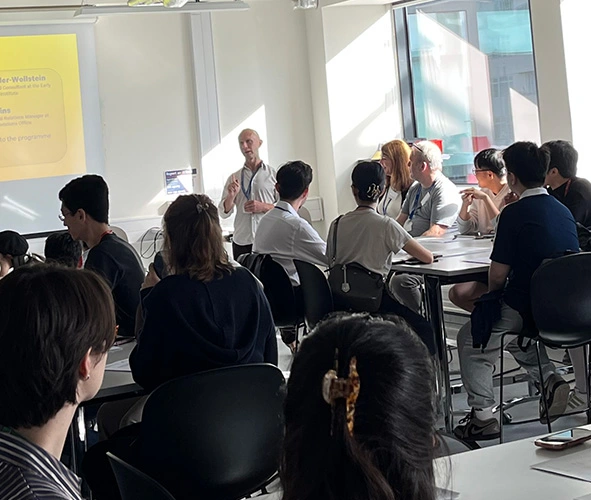
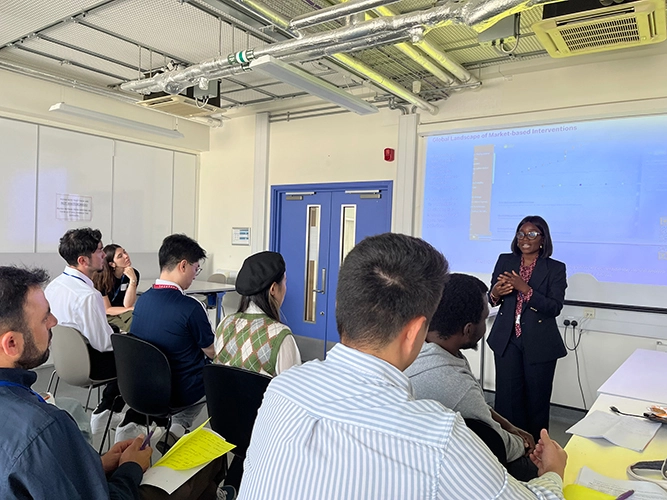
At the opening ceremony on the first day, Professor Mike Tennant, Vice Dean of the Faculty of Natural Sciences at Imperial, delivered the opening remarks and spoke about the importance of collaboration with researchers from diverse backgrounds.
Day 1 Team Formation
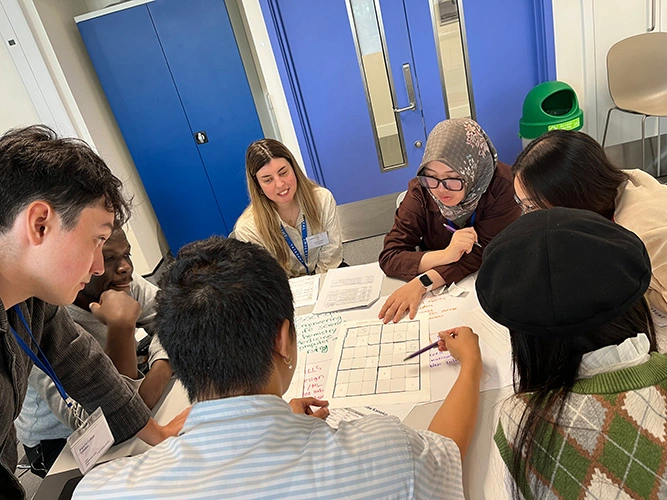
Afterward, the participants were divided into five teams of six. Using self-introduction posters, each team member explained their area of expertise and research topic, prompting enthusiastic questions from the other members. Amid constant smiles, the participants bonded as a group. They also played “Unlock the Sudoku,” a Sudoku-based game developed by students from Science Tokyo who participated in last year’s GFP, and worked together to solve the puzzles while brainstorming ideas.
In the afternoon, four researchers from fields such as applied chemistry, artificial intelligence, computational modeling, environmental engineering, economics, and public policy delivered presentations, allowing participants to gain a deeper understanding of the challenges and initiatives related to net-zero in each of these fields.
Day 2: Inspiration and Empowerment
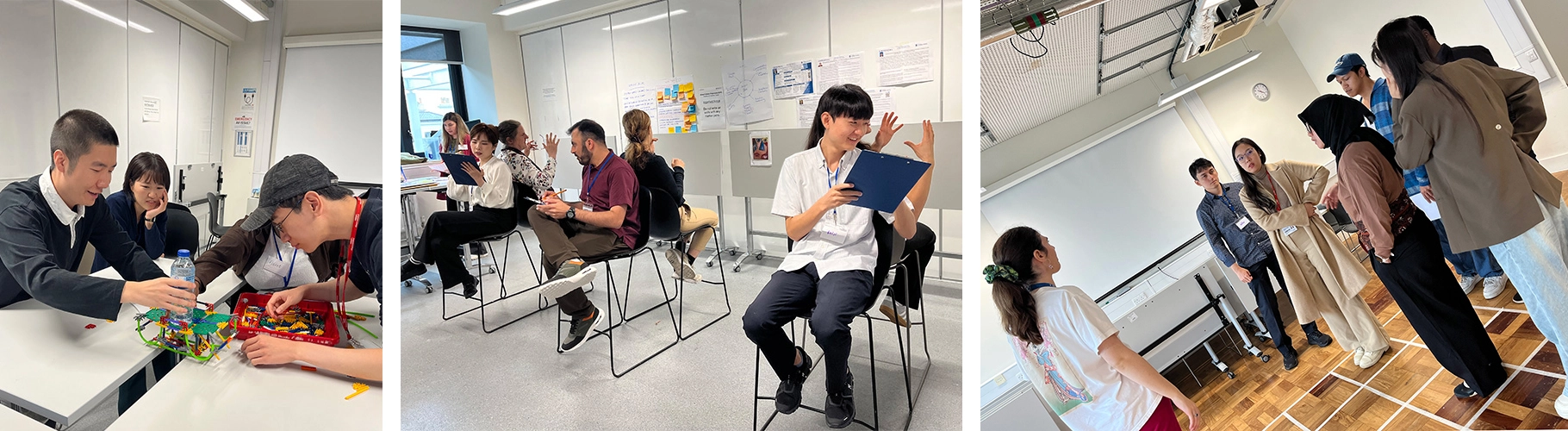
On the morning of the second day, a game-based activity was held in which teams worked together to complete five challenges. In each challenge, the key factors were communication skills, leadership, and the level of trust that allowed team members to cooperate with one another. Although the participants struggled at times, they encouraged one another as they tackled the challenges, and by the end, their sense of team unity had increased dramatically.
In the afternoon, the teams toured the Victoria and Albert Museum, the Natural History Museum, the Science Museum, and other institutions adjacent to Imperial’s South Kensington Campus. They explored exhibits and research findings related to the program’s theme of “net zero” and gave presentations within their respective teams, accompanied by photographs.
Day 3: Working on a team project
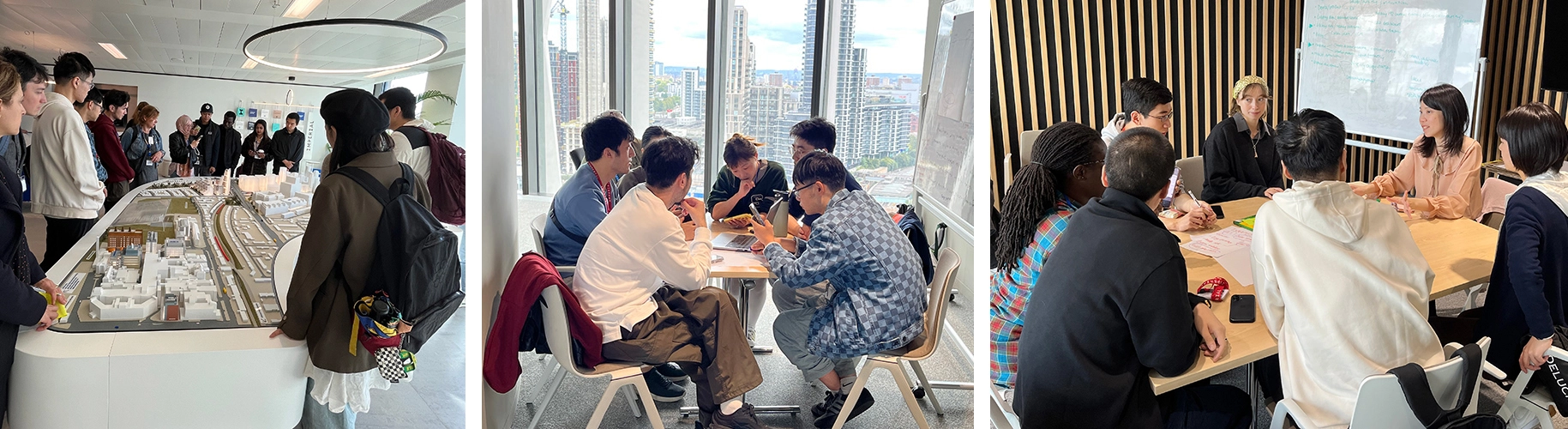
On the third day, Participants visited Imperial's White City Campus. The campus has committed to achieving net-zero by 2040 with the hope of operating on an all-electric, low-carbon network using a system centered on heat pumps. Participants received briefings from campus officials on the various initiatives currently underway to achieve net-zero on campus, and also attended lectures by researchers from the Environmental Research Group addressing a wide range of topics, including environmental pollution and its impact on human health.
After that, participants split into teams and held detailed discussions about the issues to be addressed in the project and their solutions.
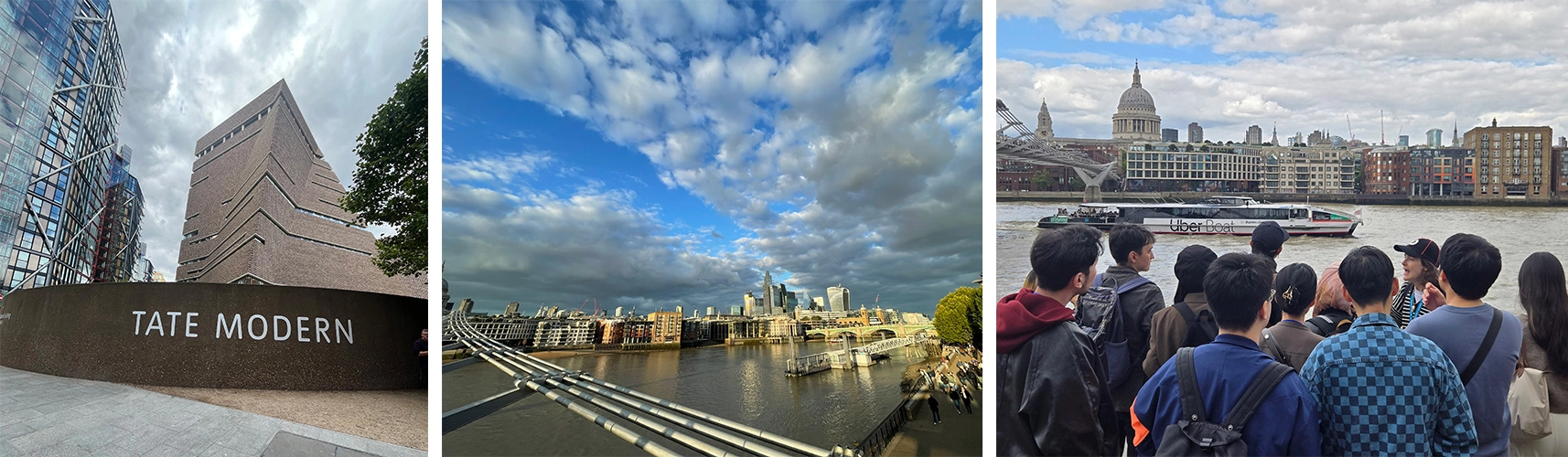
In the afternoon, they returned to central London and split into two groups to take part in a guided walking tour. The tour began at the “Tate Modern”—a former coal-fired power plant converted into an art museum—and took them past landmarks along the River Thames, as well as buildings and facilities related to net-zero initiatives, before concluding at the bustling “Borough Market,” which is filled with a variety of shops. During the free time that followed, they enjoyed a London evening, including going out to dinner with their team members.
Day 4: Project Consultation and Poster Creation
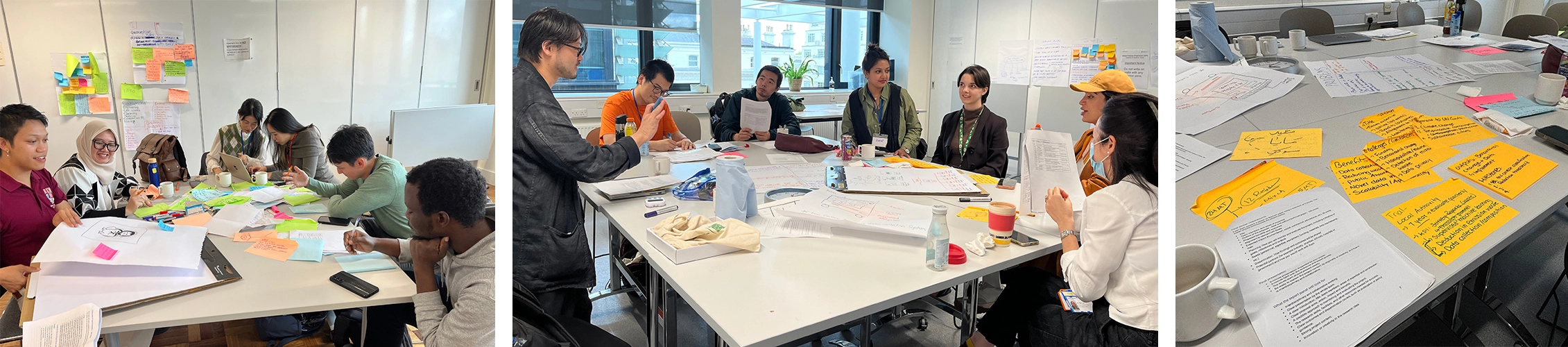
On the fourth day, the participants finally began working in earnest on their projects. Based on the proposals each team had finalized by the previous day, they held repeated discussions to consolidate their ideas into a single project. Because the team consisted of diverse members with different areas of expertise and nationalities, a wide range of opinions was exchanged. While the discussions sometimes became heated, and it was evident that they were struggling to narrow down their choices to a single project, everyone patiently listened to each others’ views, and each member demonstrated a strong desire to contribute to the team.
In the afternoon, they held further discussions in preparation for the final presentation and began working on their posters.
Day 5: Project Presentation Day
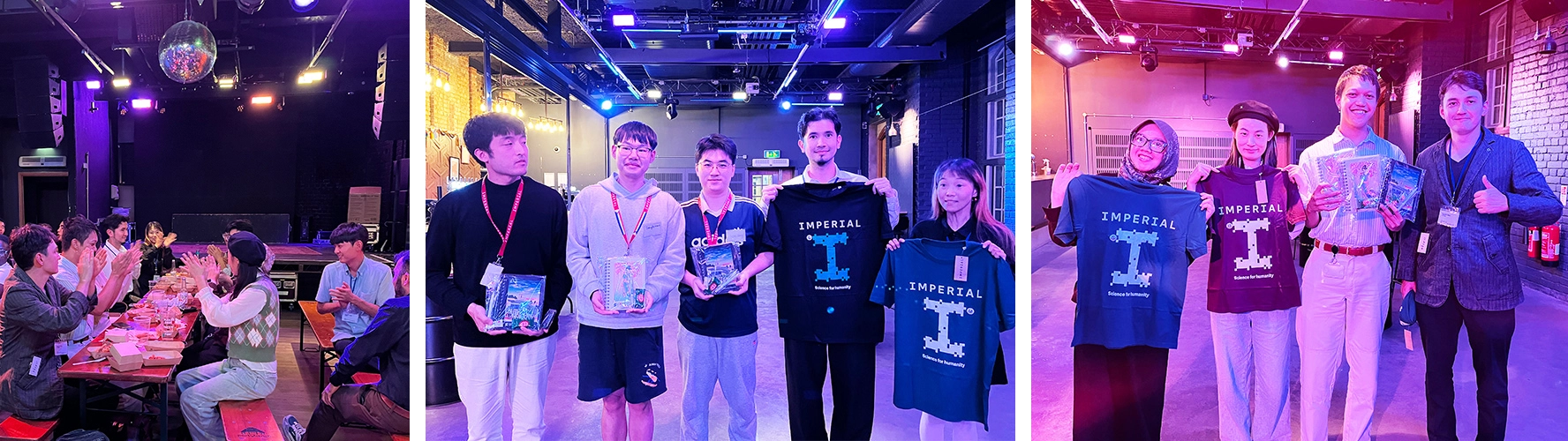
On the final day, participants gave 5-minute presentations using posters they had created using only colored pens and paper. The panel of experts, evaluating the project proposals from each team, consisted of Professor Enrico Biffis of Imperial Business School, Associate Professor Céline Mougenot of Imperial’s Dyson School of Design and Engineering, and Dr. Masahiko Hara, an emeritus professor at Science Tokyo who has served as Director of the Japan Society for the Promotion of Science (JSPS) London Office since 2025. Representing JSPS, Deputy Director Taiki Satow and International Programme Associate Yuya Yamashita also participated and provided an explanation of the program for inviting foreign researchers aimed at doctoral students.
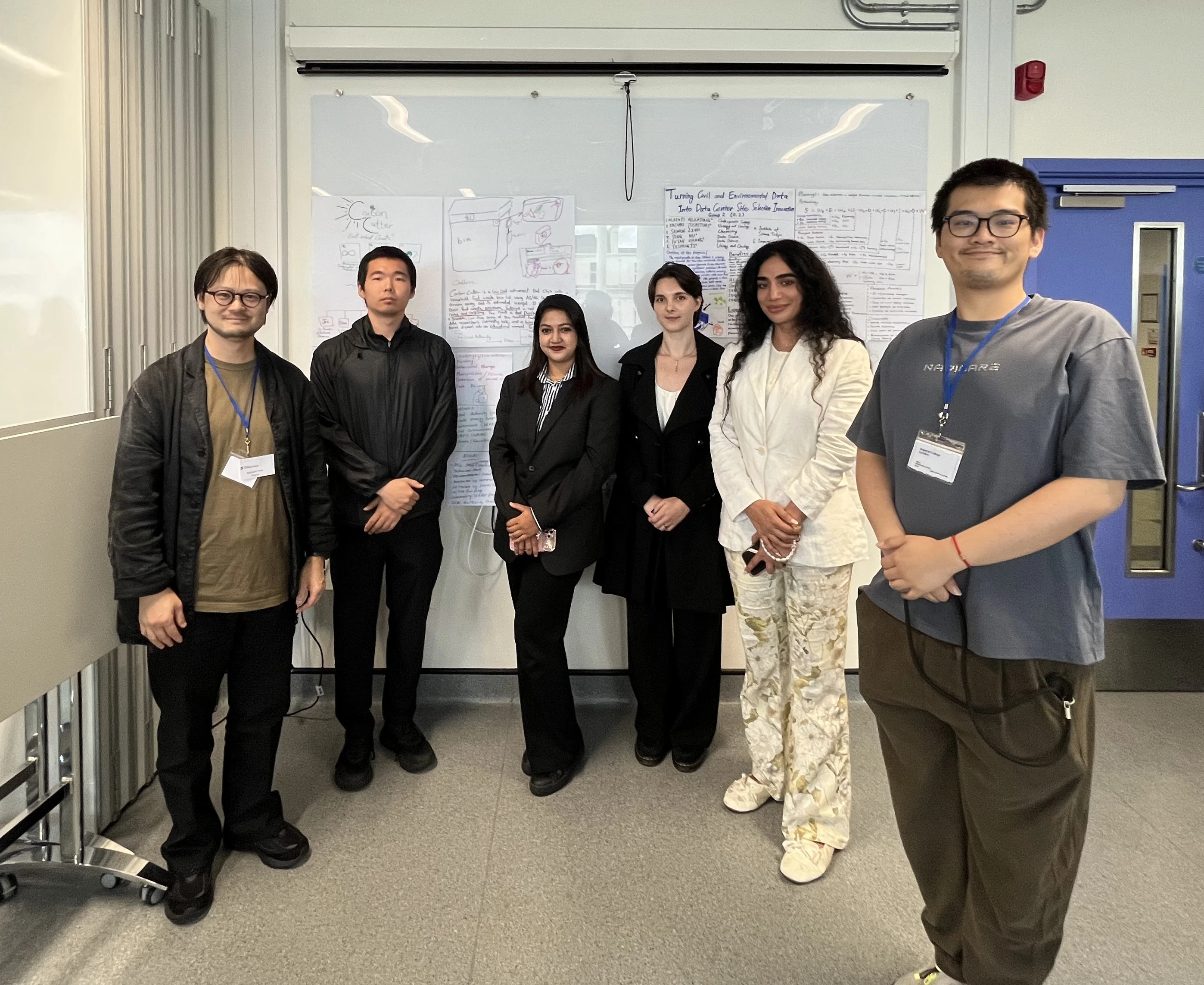
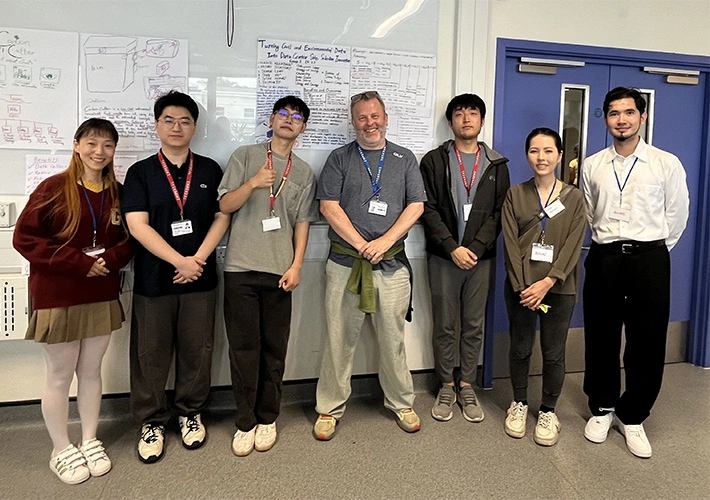
This team proposed a system that supports data center site selection by utilizing civil engineering and environmental data. The system harnesses the heat generated from data center waste within local communities.
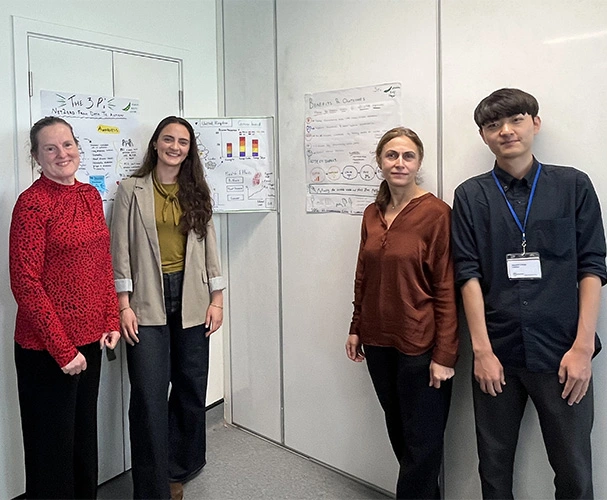
The team aimed to 'make the invisible visible and net zero personal' by building neighbourhood interactive boards displaying local environmental data and the actions people could take in their own lives to reduce their carbon footprint.
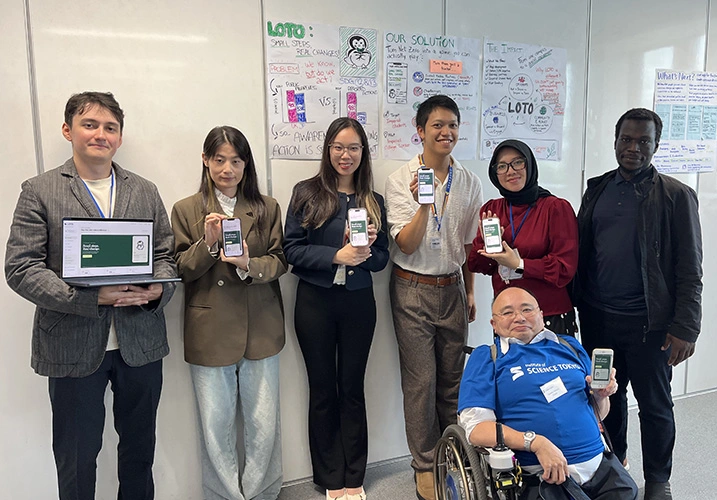
Proposes an app that awards points for students’ sustainable activities and allows them to exchange those points for coupons or merchandise.
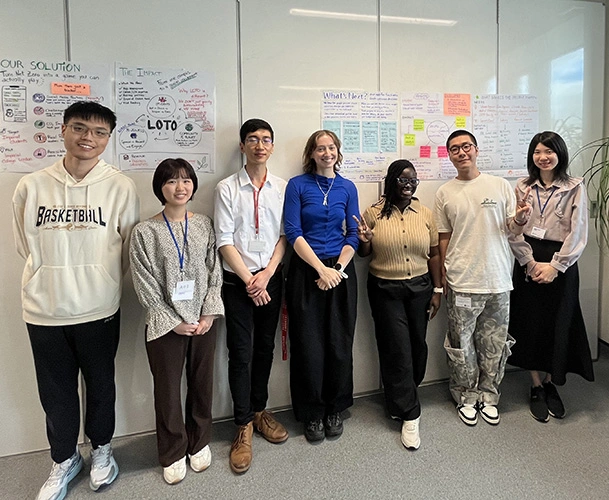
To bridge the gap between the short-term costs and long-term benefits that individuals perceive, the team propose an application that informs users of the specific financial and health benefits they can gain by adopting sustainable habits.
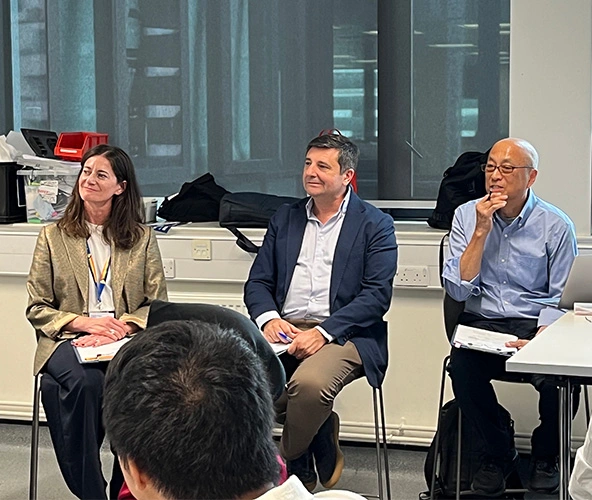
After lunch, three experts evaluated the projects each team had developed over the short five-day period, offered professional advice, and presented commemorative gifts to all team members.
Finally, each team praised their teammates for their hard work and expressed their gratitude to their team coaches and staff. As they watched a video summarizing the various activities of the five days, they reflected on the program—which had flown by in the blink of an eye. While marveling at how quickly time had passed, they shared memories with the friends they had spent time with and expressed their hope to meet again . Some team’s members took a polaroid and all signed it. They made a commitment that should they meet again that they will snap a polaroid whenever they meet in future and share it across the team.
The participating students from Science Tokyo are welcome to apply to stay at Imperial’s laboratories for up to three months between September 2026 and August 2027, where they will conduct fieldwork and research under the guidance of their host supervisors.
Study Abroad Support Group, Global Education Division
- Tel
- +81-3-5734-7645