Toward organs for patients: uncovering an immune barrier to organ generation
Embryonic macrophages eliminate cells from another species through a newly identified process called “xenophagocytosis”
What the research is about
Researchers are working to create new organs for transplantation to help patients whose organs have lost their function because of disease or other conditions. One promising approach is to grow organs from the cells of one animal inside the body of another.
A research team led by Hiromitsu Nakauchi, Specially Appointed Honorary Professor at Institute of Science Tokyo (Science Tokyo), has previously succeeded in generating a rat-derived pancreas in a mouse. The researchers introduced rat pluripotent stem cells, which can develop into many different cell types, into mouse embryos engineered not to develop a pancreas. Their long-term goal is to advance this technology so that organs can one day be generated for patients who need transplants.
Mice and rats are both rodents, but they are different species. When cells from one species develop inside another, the number of donor cells can decline sharply as the embryo develops. Previous studies have suggested several possible reasons, including differences in developmental speed and in how cells interact with one another.
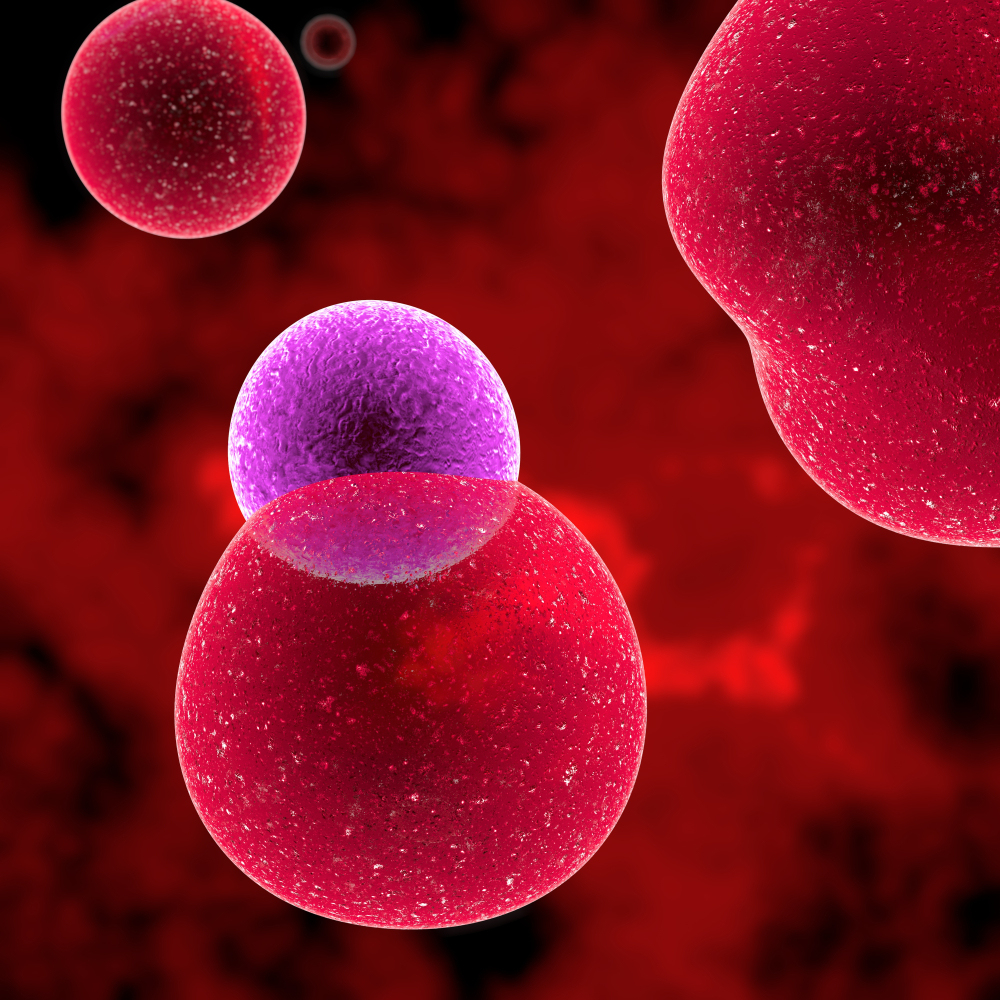
The researchers noticed something else, however: rat-derived cells began to disappear at around the same time that the earliest immune cells appeared in the embryo. This led them to ask whether the immune system might also be involved.
Why this matters
The team focused on macrophages, immune cells that appear early in embryonic development. Macrophages help the body by engulfing and clearing foreign material, dead cells, and cellular debris.
When the researchers examined the embryos closely, they found rat-derived cells inside mouse macrophages. More surprisingly, many of the engulfed cells were not already dead. They were still alive. In other words, the macrophages were not simply clearing away dead cells—they were selectively recognizing and eliminating living cells from another species. The researchers named this newly identified process “xenophagocytosis.”
The team then investigated why the rat-derived cells were being targeted. They found that when cells developed in an environment of another species, more phosphatidylserine appeared on their surface. This molecule acts as an “eat-me” signal that can be recognized by macrophages.
The researchers next used genetic approaches to reduce macrophages in mouse embryos, along with other strategies to suppress xenophagocytosis. As a result, more rat-derived cells remained in the mouse embryos. The success rate for generating a rat-derived pancreas in mice also increased from 38% to 73%, and the pancreases that formed were larger.
What’s next
The findings show that even at a very early stage of development, immune cells can recognize cells from another species and eliminate them, thereby limiting their growth. This represents a previously underappreciated challenge for efforts to generate organs from the cells of one species inside another.
The researchers also tested human cells in mouse embryos. When xenophagocytosis was reduced, more human cells remained. However, many other challenges still separate humans and mice, and the technology is not yet at a stage where human organs can be generated in this way.
By identifying these challenges one by one and finding ways to address them, researchers hope to eventually provide new treatment options for patients with organ failure. The findings may also provide clues to how developing embryos eliminate cells from another species at such an early stage.
Comment from the researcher
When we first reported that a rat pancreas could be generated in a mouse and proposed the idea of eventually generating human organs in pigs, people told us it sounded like science fiction. Sixteen years have passed since then. Progress has come one step at a time, but it has been steady, and I am very pleased that we are finally beginning to see a path toward making this vision a reality.
This is not the kind of research that produces results overnight. It is a moonshot challenge that will take many years to realize. I am deeply grateful to the public research funding agencies that have supported this kind of long-term, ambitious research.
There are still many challenges to overcome. But I hope that, step by step, we can continue moving toward the day when we are able to provide patients waiting for transplantation with the organs they need.
(Hiromitsu Nakauchi, Specially Appointed Distinguished University Professor, Stem Cell Therapy Laboratory, Institute of Integrated Research, Institute of Science Tokyo)

Dive deeper
Explore more research in Science for All
Science for All showcases cutting-edge research at Science Tokyo and highlights the ideas, people, and possibilities shaping the future.

Follow Science Tokyo research on X
Our Research Frontiers account features selected stories from Science for All and regularly shares research from across Science Tokyo.
Contact
Research Support Service Desk