Why does stroke recovery plateau?
Study reveals how repair-promoting microglia gradually lose their ability to support brain repair
What the research is about
A stroke can damage part of the brain, making it difficult to move an arm or leg, speak clearly, or perform other everyday functions. There are several types of stroke, and one of the most common is ischemic stroke. It occurs when a blood vessel in the brain becomes blocked, cutting off blood flow and damaging brain tissue.
But the brain also has a remarkable ability to repair itself after injury. With rehabilitation, people may gradually regain movement and other functions after an ischemic stroke. This recovery, however, changes over time. Several months after a stroke, improvement often begins to slow down.
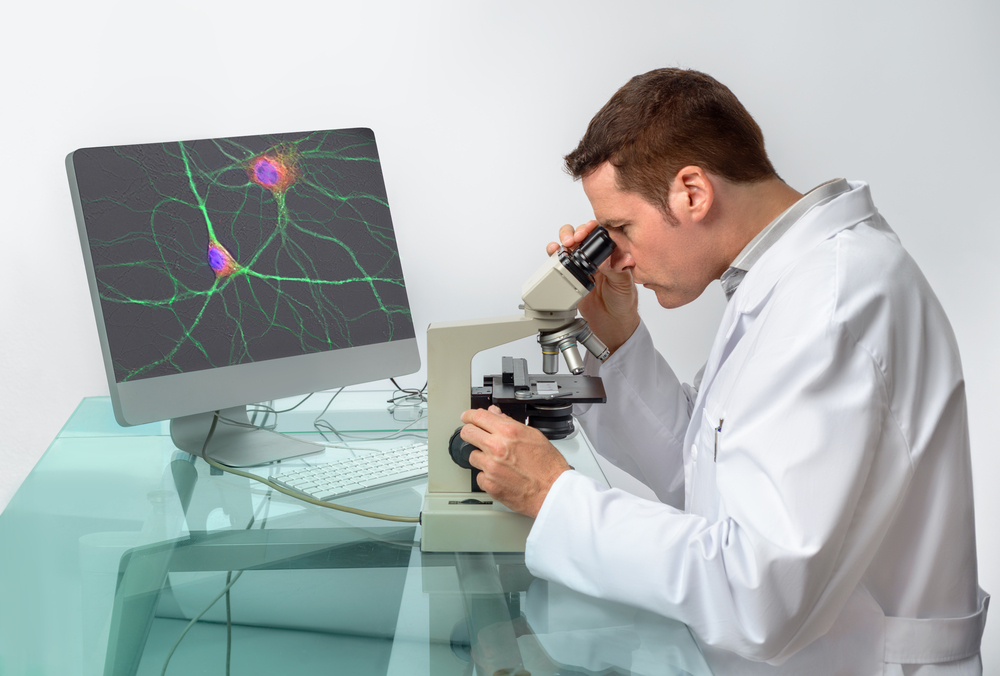
Why does the brain’s recovery eventually plateau? Until now, the mechanism behind this decline in recovery had remained unclear.
Why this matters
A research team led by Professor Takashi Shichita and Assistant Professor Jun Tsuyama of Institute of Science Tokyo (Science Tokyo) found that after an ischemic stroke, some microglia—immune cells that reside in the brain—switch into a reparative state and help damaged nerve cells recover. The researchers also showed that these microglia are essential for the brain’s natural recovery process.
Over time, however, the “brain-repairing” microglia seemed to disappear. This raised an important question. Did the microglia die once they had finished their job? Or did they remain in the brain but lose their ability to support repair?
To find out, the researchers labeled the microglia that had entered the reparative state and tracked what happened to them over time. The result was surprising: the microglia had not disappeared. Even long after the stroke, they were still present near the damaged area of the brain.
But although they remained in place, they gradually lost the ability to produce substances needed to repair damaged nerve cells.
Why did this happen?
The team discovered that a protein called ZFP384 plays a key role. As time passed after the stroke, levels of ZFP384 increased in the microglia. This interfered with the activation of genes needed for neural repair.
When the researchers used mice in which microglia could no longer produce ZFP384, the cells were able to remain in their reparative state for much longer. The mice also showed better recovery from stroke-related neurological symptoms.
The team then developed ASO-Zfp384, a drug designed to suppress the production of ZFP384. It uses antisense oligonucleotide technology, in which a short strand of nucleic acid binds to RNA—the molecular instructions used to make a protein—and causes that RNA to be broken down. This prevents ZFP384 from building up inside the microglia.
When ASO-Zfp384 was given to mice after an ischemic stroke, the microglia maintained their reparative functions for longer, promoting neural repair. The mice also showed improved neurological function.
Importantly, the treatment was effective even when it was started about one month after the stroke. This suggests that it may be possible to promote recovery even after considerable time has passed since stroke onset.
What’s next
The study shows that the slowdown in recovery after an ischemic stroke is linked not to the disappearance of repair-promoting microglia, but to their gradual loss of function while they remain in the brain.
If this reparative state could be maintained for longer, it might one day be possible to enhance the effects of rehabilitation or extend the period during which the brain can recover.
So far, the therapeutic effects of ASO-Zfp384 have been demonstrated mainly in mice. Further research will be needed to determine its safety, the best way to administer it, and whether it is effective in humans.
Rather than giving the brain an entirely new ability to heal, this approach aims to preserve the repair mechanisms the brain already has. Whether this idea can lead to new treatments for people in the chronic stage of stroke—long after the initial injury—will be an important question for future research.
Comment from the researcher
In this study, we first showed that microglia are essential for the brain’s natural recovery after an ischemic stroke. We then identified the mechanism by which these cells gradually lose their ability to support repair—and found a way to preserve that ability.
Our goal is to keep the brain’s own repair mechanisms’ working for as long as possible. By developing a treatment based on this new concept, we hope to extend the period during which the brain can recover and provide longer-lasting support for patients after stroke.
(Takashi Shichita, Professor, Department of Neuroinflammation and Repair, Medical Research Laboratory, Institute of Science Tokyo)

Dive deeper
Explore more research in Science for All
Science for All showcases cutting-edge research at Science Tokyo and highlights the ideas, people, and possibilities shaping the future.

Follow Science Tokyo research on X
Our Research Frontiers account features selected stories from Science for All and regularly shares research from across Science Tokyo.
Contact
Research Support Service Desk